
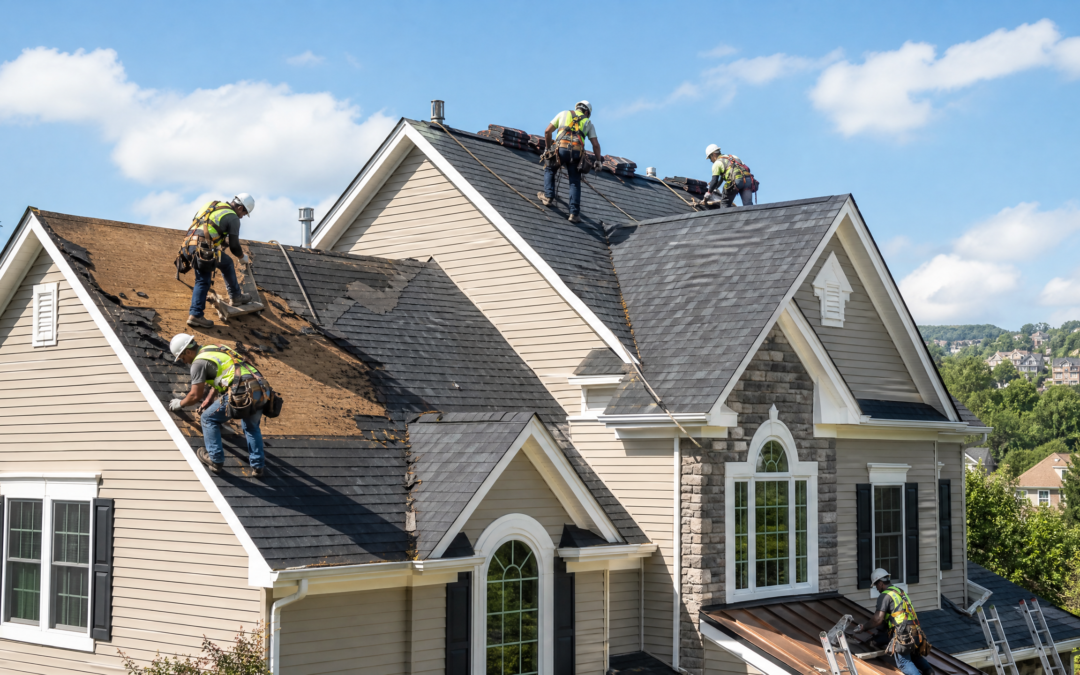
Short Answer
There’s no single cheapest time to replace a roof; pricing depends on roof size, materials, condition, and contractor availability. Plan early, get multiple detailed written estimates, and consider a roof assessment from Big Fish Roofing to see how timing affects your project.
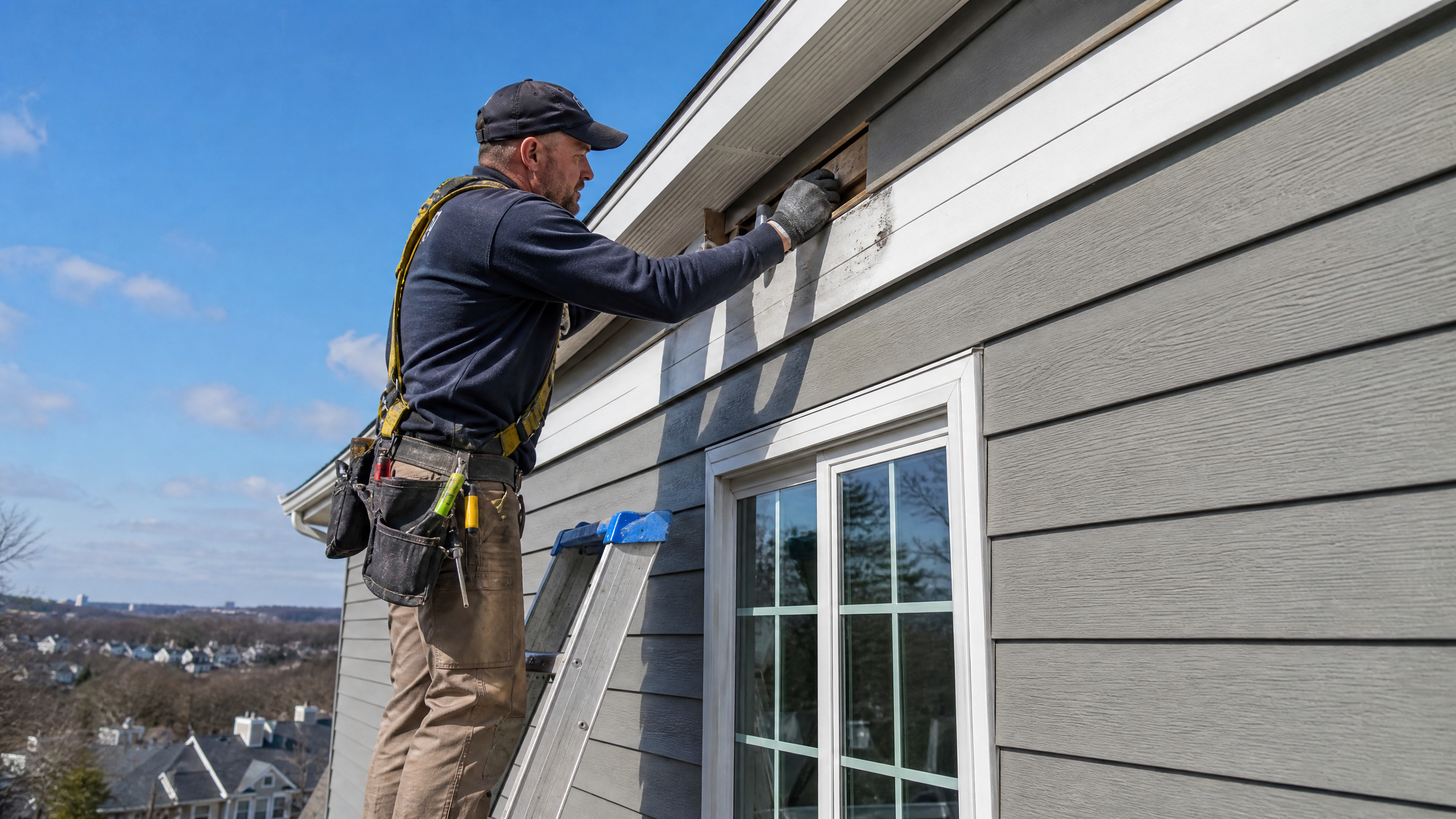
Short answer: There is no guaranteed cheapest time of year to replace a roof. Pricing depends on roof size, complexity, condition, materials, crew availability, disposal, permits, and current market conditions. Flexible scheduling during a contractor’s less-busy period may create options, but homeowners should compare written estimates rather than assume a particular month will be cheaper.
Key Takeaways
- No season automatically guarantees the lowest roof-replacement price.
- Urgent leaks or structural concerns should not be left exposed while waiting for a possible seasonal discount.
- Weather can affect scheduling and project duration without changing the written scope.
- Detailed, comparable estimates are more reliable than broad claims about “cheap roofing season.”
- Early planning gives homeowners more flexibility in scheduling, material selection, and budgeting.
What Time of Year Is Cheapest to Replace a Roof?
The honest answer is that it varies by contractor, project, market, and year. A company may have greater scheduling flexibility during a slower period, but material costs, labor requirements, roof condition, and hidden decking repairs can outweigh any seasonal difference.
Ask whether pricing changes with the proposed installation window, whether the estimate has an expiration date, and which items could change after tear-off. A written comparison gives you useful information; a generic promise that one season is always cheapest does not.
How Can Each Season Affect a Pittsburgh Roof Project?
| Season | Possible scheduling considerations | Questions to ask |
|---|---|---|
| Spring | Rain and changing temperatures can create schedule adjustments. | How are rain delays and property protection handled? |
| Summer | Long daylight hours can help production, while heat and demand may affect start times. | What is the current lead time and how will extreme heat affect the workday? |
| Fall | Moderate conditions can be favorable, but calendars may tighten before winter. | When must materials be selected to hold the proposed date? |
| Winter | Cold, snow, ice, wind, shorter daylight, and product requirements can limit workable days. | Do conditions meet manufacturer instructions and job-site safety requirements? |
What Actually Changes Roof Replacement Cost?
- Roof area and pitch: Larger or steeper roofs require more material, labor, staging, and safety planning.
- Roof complexity: Valleys, dormers, chimneys, skylights, penetrations, and multiple levels add detail work.
- Tear-off and disposal: Existing layers and disposal requirements affect labor and hauling.
- Decking condition: Deteriorated or damaged decking discovered after tear-off must be addressed.
- Material system: Shingles, underlayment, flashing, ventilation components, and accessories vary in price.
- Access and protection: Landscaping, narrow driveways, neighboring properties, and difficult staging can affect the work plan.
- Permits and inspections: Requirements vary by municipality and project scope.
How Can Homeowners Control Cost Without Cutting the Scope?
- Request more than one detailed written estimate.
- Compare the same materials, tear-off, decking allowances, flashing, ventilation, cleanup, and warranties.
- Ask what is included, excluded, or priced as a unit-rate change.
- Plan before the roof becomes an emergency whenever its condition allows.
- Choose materials based on system requirements and value, not only the lowest line-item price.
- Prepare the property so vehicles, landscaping, and exterior items do not delay setup.
Big Fish Roofing’s published roofing process begins with an inspection and written estimate and includes scheduling, installation, cleanup, and a final walkthrough. That documented sequence helps homeowners identify which costs and responsibilities should appear in the scope.
Should You Delay a Damaged Roof to Wait for a Lower Price?
Not when the delay could allow water intrusion or structural damage to spread. Missing materials, active leaks, soft decking, sagging, or storm openings need prompt evaluation. A contractor may recommend repair, temporary protection, partial replacement, or full replacement depending on the condition and weather.
Compare repair versus replacement and review the common replacement warning signs before waiting for a particular season.
Seasonal Roof Pricing FAQs
Is winter always cheaper for roof replacement?
No. A contractor may have more schedule flexibility, but weather limitations, shorter days, product requirements, and project complexity still affect planning and price.
Big Fish Roofing provides detailed, written estimates and a documented project process so you can compare scope, materials, and scheduling; request a no-cost, no-obligation consultation to review your options.
Is summer always the most expensive season?
No. Demand can affect availability, but there is no universal seasonal price rule. Compare current written estimates for the same scope.
How far ahead should I request an estimate?
Request one as soon as replacement becomes a realistic possibility. Lead times vary, and early planning provides more choices without guaranteeing a lower price.
Can an estimate change after tear-off?
It can if concealed damage is discovered. The contract should explain decking or structural allowances, unit pricing, documentation, and approval of change orders.
What is the best way to compare roofing prices?
Compare scope, materials, quantities, related repairs, cleanup, schedule, payment terms, and warranties, not just the total at the bottom.
Final Takeaway
The cheapest time to replace a roof cannot be determined from the calendar alone. The most reliable strategy is to plan early, obtain comparable written estimates, understand potential change items, and schedule within a safe installation window before avoidable damage becomes more expensive.
Review the best seasonal installation window in Pittsburgh and typical roof replacement timing.
Need a current, roof-specific price? Request a no-pressure estimate from Big Fish Roofing.
Frequently Asked Questions
Is winter always cheaper for roof replacement?
No. While some contractors may have more open calendar space in winter, cold, ice, and product temperature requirements can limit work and affect scheduling. Ask whether the contractor follows manufacturer temperature guidelines and how winter conditions would affect the project scope and safety.
Is summer usually the most expensive time to replace a roof?
Not necessarily. Summer demand can affect lead times and crew availability, but pricing depends mainly on materials, project complexity, and local market conditions. Get comparable written estimates for the same scope rather than relying on seasonal assumptions.
How far ahead should I request an estimate?
Request an estimate as soon as replacement becomes a realistic possibility for your roof. Early planning gives you time to compare options, select materials, and schedule work within preferred weather windows without rushing into an emergency job.
Can an estimate change after tear-off?
Yes. Concealed issues such as damaged decking or structural concerns discovered after tear-off can change the final cost. A clear contract should explain decking allowances, unit pricing for repairs, and how change orders will be documented and approved.