
What is the short answer?
Roof-repair timing depends on the problem and the roof’s condition: active leaks and exposed or damaged roofing materials call for prompt evaluation. Monitoring may be appropriate only after a qualified professional has assessed the concern and explained a plan. Waiting until spring should be an informed decision based on that assessment.
What are the key takeaways?
- Base timing on the assessed condition.
- Ask what a repair would address.
- Get a clear monitoring plan if work can wait.
- Discuss the limits of any temporary measure.
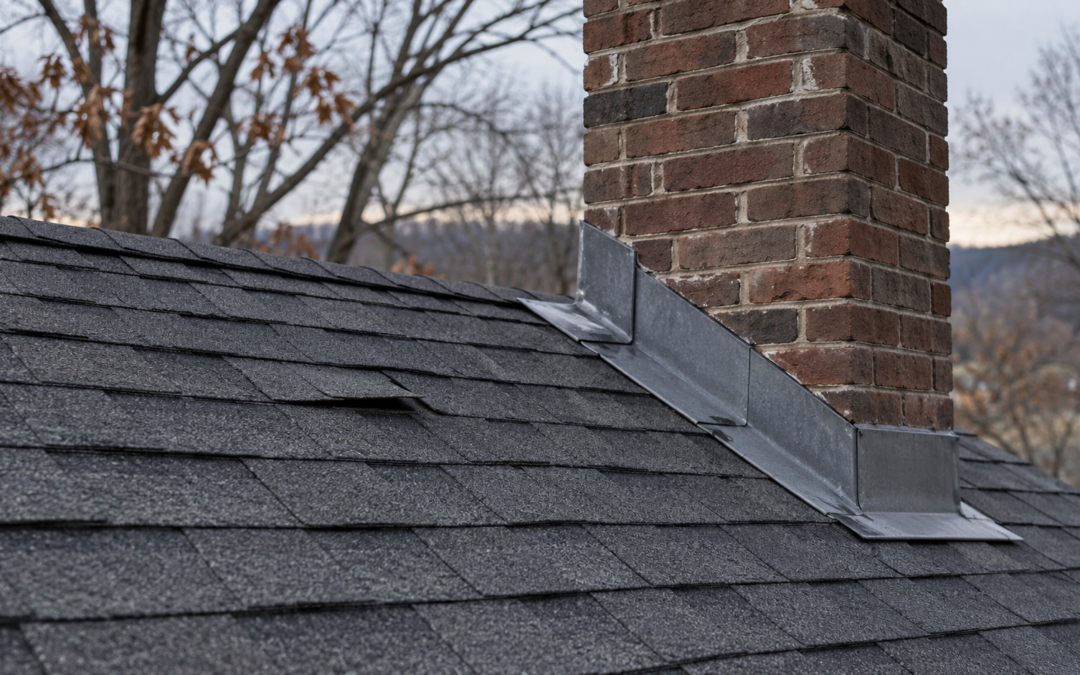
Featured image: AI-generated editorial illustration, not a photograph of a Big Fish project.
Big Fish Roofing uses GAF roofing products and is a GAF Master Elite® Contractor.
Last revised: October 15, 2026
Sources: Big Fish’s roof and exterior consultation • GAF’s cool-weather installation guidance

How should you decide whether a roof repair can wait?
You notice something on your roof just as colder weather approaches. Perhaps a shingle looks out of place, an old stain has returned, or a contractor mentioned a concern. You want to protect your home, but you also want to understand whether the work truly needs to happen now.
Start by asking for an explanation of the specific problem. A useful recommendation connects the observed condition to a proposed action and timing. It should help you understand the choice without assuming every concern requires a new roof.
Which roof concerns deserve a prompt evaluation?
Report active water entry, missing roofing material, or a visible change that is getting worse. If a ceiling stain has returned, tell the contractor when it appeared and what the weather was doing.
Damaged shingles, flashing concerns, and leaks deserve a professional assessment. Big Fish’s roof and exterior consultation provides a starting point for discussing visible concerns and the next steps for your particular roof.
A new sag or visibly unstable section is a different concern from a cosmetic mark. Keep clear of a potentially unsafe area and get qualified help. Do not climb onto the roof to investigate.
Does one missing shingle mean you need a whole new roof?
One visible issue does not provide enough information to decide the full scope. Ask the evaluator what is affected, whether the surrounding material can be worked on, and what a repair would address.
If replacement is recommended, ask why a localized repair would not be appropriate. If a repair is recommended, ask what it will cover and whether there are other conditions to plan for.
The answer should be tied to the roof in front of you. Avoid making the decision from a generic age chart or a photograph shared online.
Can an old ceiling stain wait until spring?
An old mark and current water entry are not the same observation. Tell the contractor whether the area has stayed unchanged or has become damp, larger, or darker.
A stain’s location does not necessarily identify where the moisture began. Do not paint over a new or recurring mark and treat that as the solution. Document the change and arrange an evaluation of its cause.
What does a reasonable monitoring plan include?
If a professional determines that immediate work is unnecessary, ask for a specific monitoring plan.
- What condition was observed?
- What should you watch for?
- What change would mean you should call sooner?
- When should it be checked again?
Keep the recommendation with your photos and project records. If the concern changes, report that change rather than relying on the earlier assessment indefinitely.
Monitoring should have a purpose and a next step. It should not leave you wondering whether you are ignoring a problem.
What if the budget is the reason you want to wait?
Say that directly during the conversation. Ask the contractor to distinguish necessary work from improvements that can be planned later.
- Is the issue isolated?
- What would a repair accomplish?
- Does the recommendation address the cause?
- What is included in the written scope?
- What remains outside it?
Avoid assuming a temporary measure will last through the season. If one is proposed, ask about its limits and the permanent work that may still be needed.
Can roofing work happen during cold weather?
Cold weather does not make every roofing project impossible, but conditions and product instructions matter. GAF’s cool-weather guidance addresses careful shingle handling and sealing when temperatures fall.
Ask how the contractor will follow the instructions for the actual materials, what weather conditions could delay the work, and how the home will be protected during the project.
The appropriate answer is project-specific. A calendar date alone does not establish whether the work can proceed safely and correctly.
What should you ask before deciding?
Ask for a clear explanation of the finding, the recommended scope, and the proposed timing. Request photographs when available and discuss any areas that could not be evaluated.
If you choose to wait, understand the reasons and the monitoring instructions. If you proceed, understand what the work is intended to solve.
For homeowners in Pittsburgh and nearby Western Pennsylvania communities, Big Fish can help connect a visible roof concern with practical next steps. Ask about a roof and exterior consultation when you want the surrounding exterior reviewed as well.
If you are weighing repair against replacement, review the roofing services available and ask for findings that explain the recommended scope.
How can Big Fish help you compare the options?
You do not have to choose between ignoring the concern and assuming you need a replacement. Start with an evaluation and a conversation about the findings.
Prepare a short timeline of the concern and ask for the recommended scope, timing, and any monitoring instructions in writing.
Which concerns need prompt evaluation, and which may be monitored?
|
Situation |
Recommended decision |
What to clarify |
|---|---|---|
|
Active water entry |
Arrange prompt evaluation |
Cause, immediate response, and permanent scope. |
|
Missing or damaged roof material |
Have the condition assessed |
Whether a localized repair is appropriate. |
|
Concern assessed as stable |
Monitor only under a professional plan |
Warning signs and follow-up timing. |
|
Possible structural instability |
Keep clear and seek urgent qualified help |
Whether the area is safe to occupy. |
What should you ask about roofing warranties?
Ask which warranty is included in your written proposal and what its eligibility, registration, exclusions, and transfer terms require. Compare Big Fish’s warranty information with GAF’s current warranty terms; coverage depends on the qualifying products and installed system.
What else do homeowners ask?
Can a small leak wait?
The size of a visible stain does not establish the scope of the problem. Arrange an evaluation of new or active moisture.
Will repairing now always cost less?
Costs depend on the condition and scope. Ask for a written recommendation rather than assuming a seasonal savings claim.
Should I get an inspection before deciding on replacement?
An evaluation helps establish what work is appropriate. Ask what was inspected, what was found, and what could not be confirmed.
What should a plan to wait until spring include?
Ask for the observed condition, what could not be inspected, warning signs that require another call, and a follow-up date. Waiting should follow a property-specific assessment rather than a general assumption that every small problem can wait.
Can winter weather change the repair plan?
Yes. Snow, ice, safe access, and the selected materials can affect when and how work can proceed. Report the concern now and ask the contractor what can be assessed or addressed safely under the current conditions.
Which resources can help with the next step?
What is the next step?
Base the timing of a repair on the current condition and a qualified recommendation. Report active water entry promptly, and get clear warning signs and follow-up timing if monitoring is recommended.
Request a no-cost, no-obligation consultation with Big Fish Roofing. Share your observations and ask what an evaluation can confirm for your home.