by Devin Anderson | Nov 8, 2026 | Roofing Materials
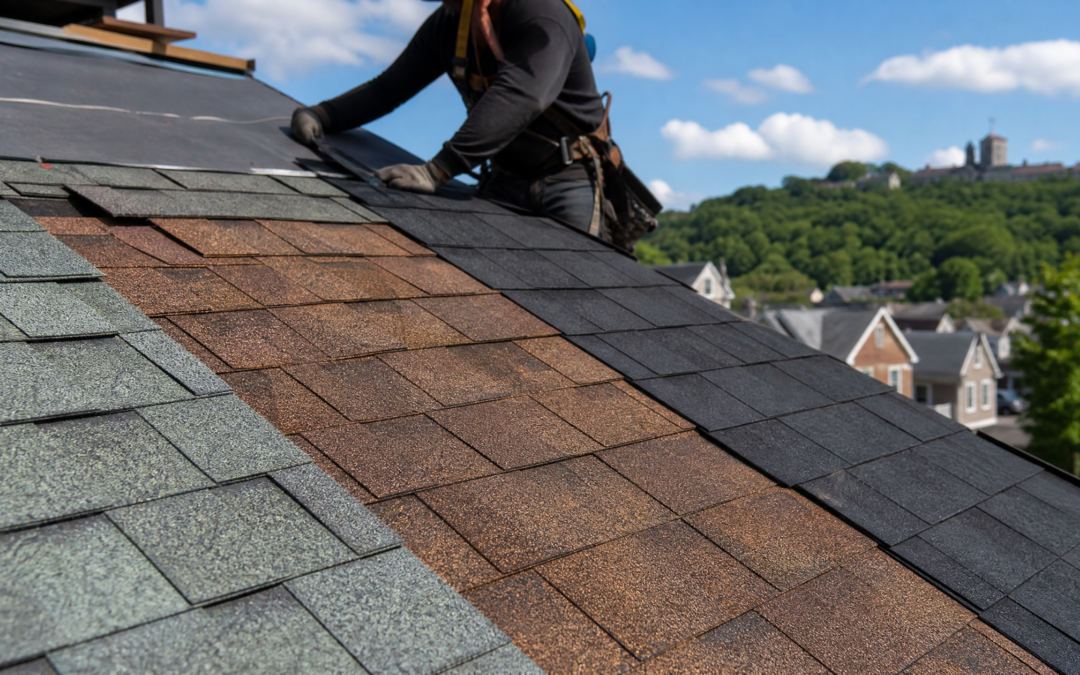
Short Answer Choose a shingle color by comparing full-size samples with permanent exterior materials such as brick, stone, siding, trim, and gutters in both sun and shade. Also consider roof visibility, neighborhood or HOA rules, resale goals, and how color variation...
by Devin Anderson | Nov 7, 2026 | Roofing Materials
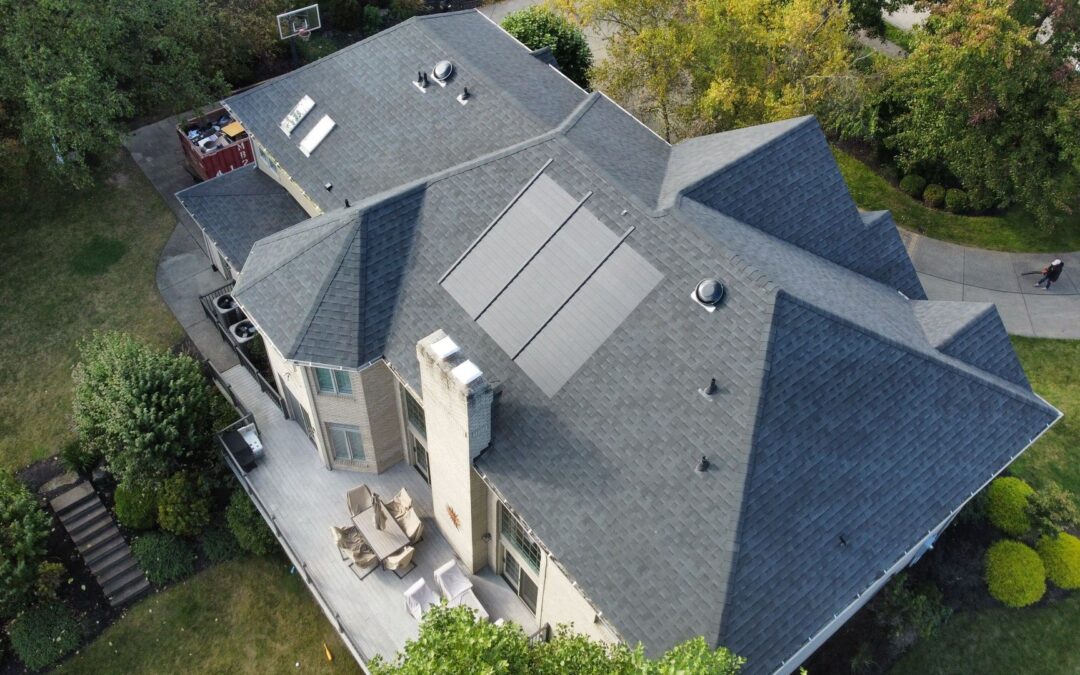
Short Answer Dark shingles can absorb more solar heat than lighter colors, but shingle color is only one part of indoor comfort. Attic ventilation, insulation, air sealing, roof orientation, and local sun exposure usually have a larger effect on heat reaching living...
by Devin Anderson | Nov 6, 2026 | Roofing Materials
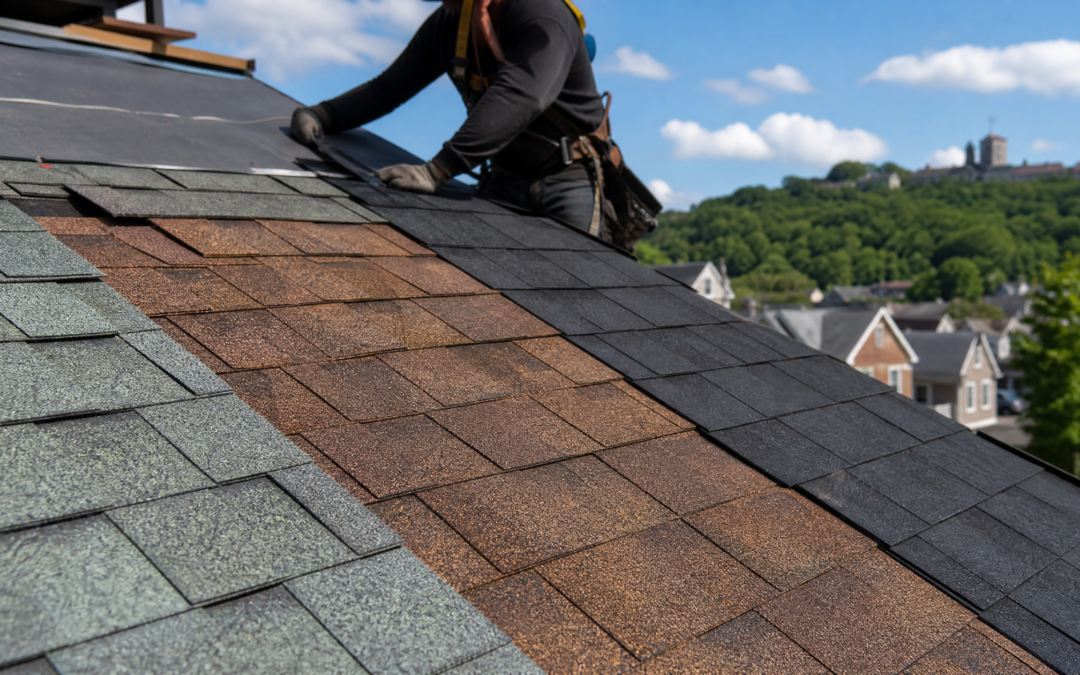
Short Answer Roof-shingle blisters can develop when moisture or volatile material becomes trapped within the shingle and expands with heat. Blisters are different from impact marks, and broken blisters can expose the surface, so avoid popping them and have uncertain...
by Devin Anderson | Nov 5, 2026 | Roofing Materials
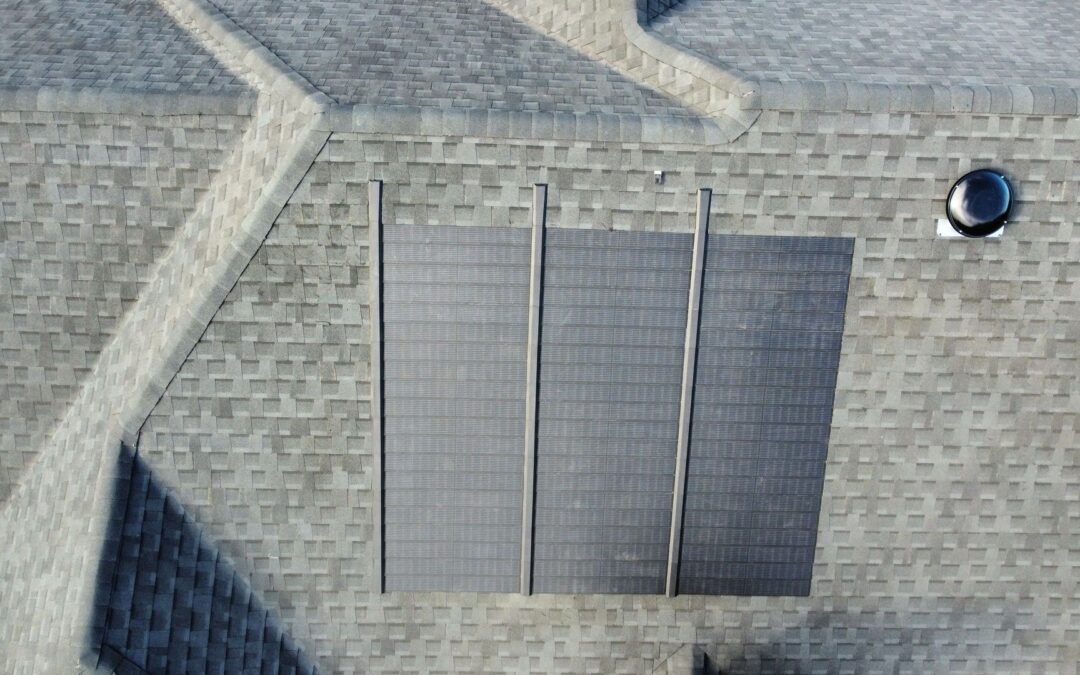
Short Answer Shingles may curl because of age, heat, moisture imbalance, installation problems, or deterioration of the material. Curling that is widespread, accompanied by cracks or missing tabs, or linked to attic moisture should be evaluated rather than covered...
by Devin Anderson | Nov 4, 2026 | Roofing Materials
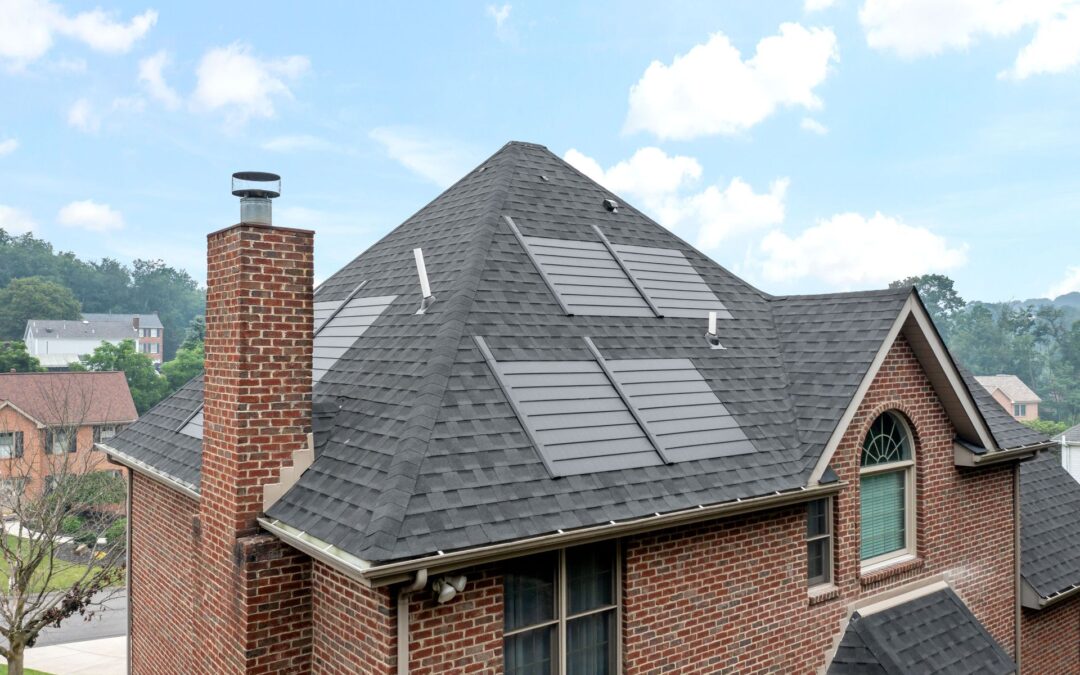
Short Answer Some loose granules are normal on a new asphalt roof and as shingles age, but concentrated piles, exposed asphalt, bald patches, cracking, or rapid loss after a storm deserve inspection. Granules protect the shingle surface, so the pattern and severity...