by Devin Anderson | Nov 12, 2026 | Roof Replacement
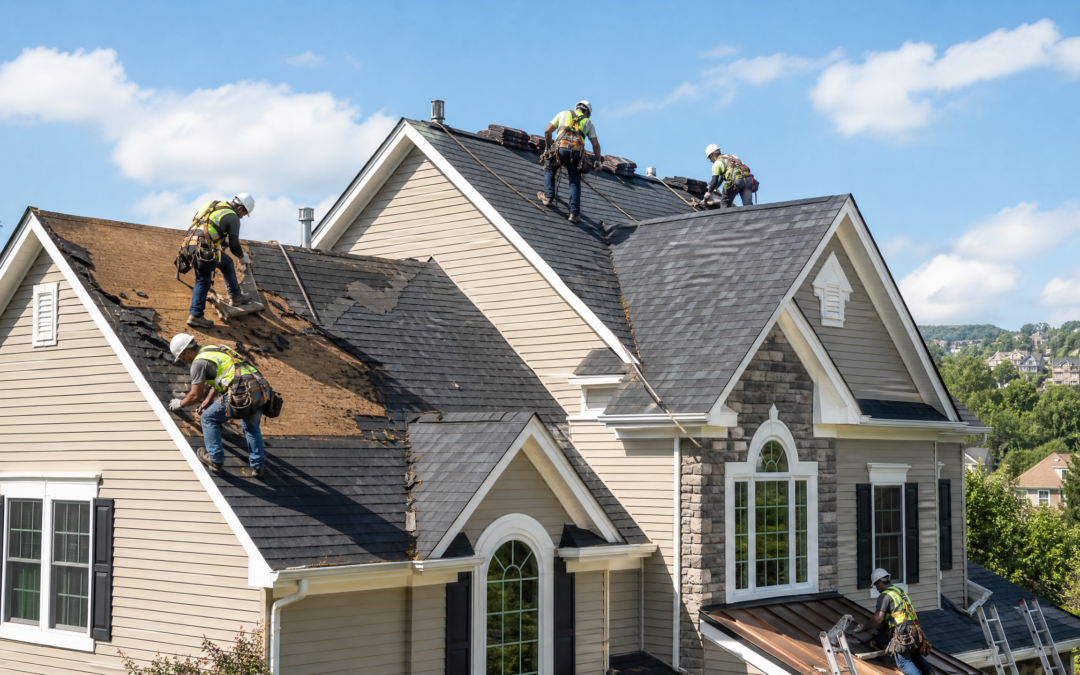
Short Answer New shingles can look slightly wavy immediately after installation because bundles were compressed or the material has not warmed and sealed. Persistent waves, lifted tabs, uneven decking, or movement after suitable weather should be documented and...
by Devin Anderson | Nov 11, 2026 | Roofing Materials
Short Answer Installing new shingles over an existing layer may be allowed in some situations, but a full tear-off makes it possible to inspect the deck, replace underlayment and flashing correctly, and avoid covering hidden damage. Code, manufacturer instructions,...
by Devin Anderson | Nov 10, 2026 | Roof Repair
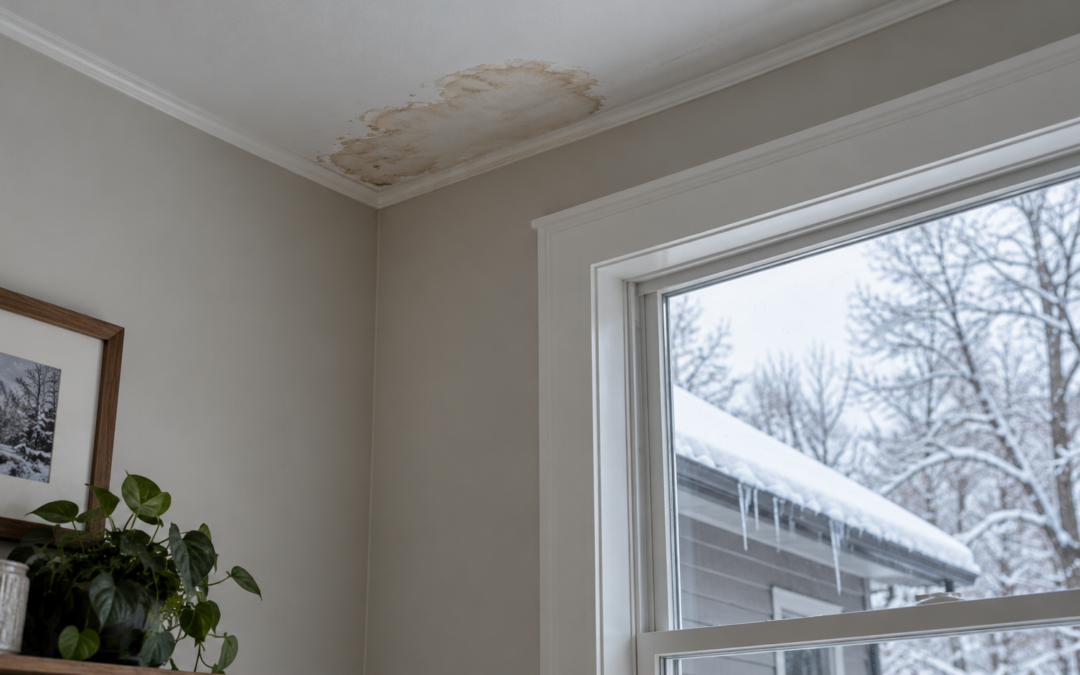
What is the short answer? Winter moisture may involve an ice dam, a problem around roof flashing or another opening, or condensation that looks like a leak. A ceiling stain identifies a symptom, not necessarily its origin. Record when the moisture appears and arrange...
by Devin Anderson | Nov 10, 2026 | Roofing Materials
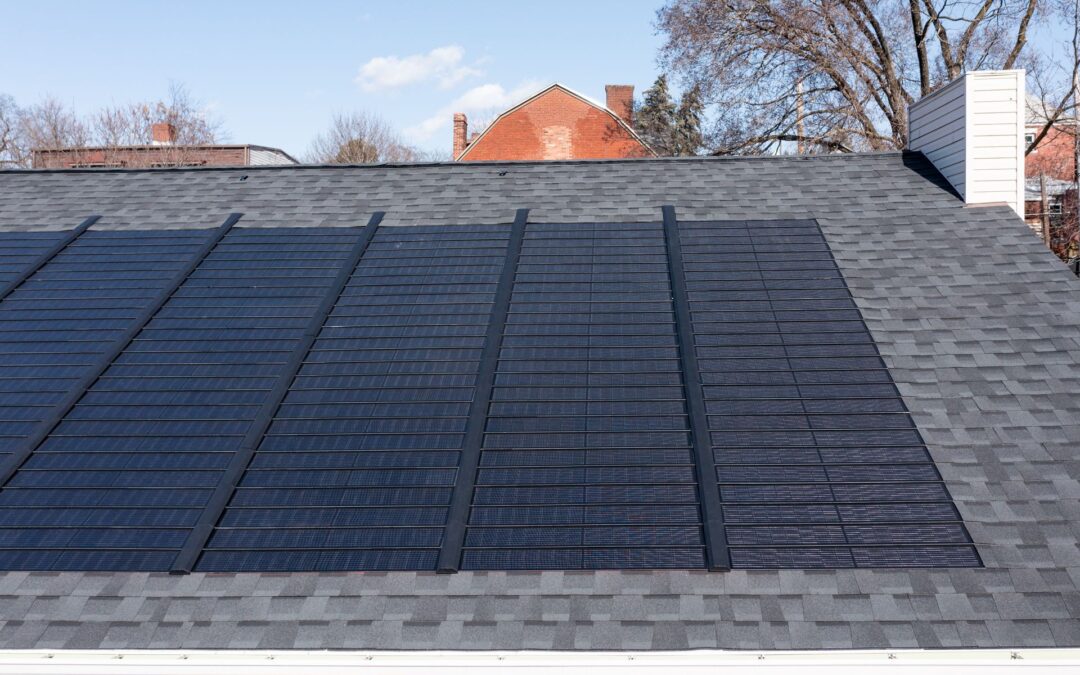
Short Answer The appropriate shingle wind rating must meet local code and the conditions specified by the manufacturer. Actual performance also depends on correct starter strips, nailing pattern and placement, sealant activation, roof edges, and installation on an...
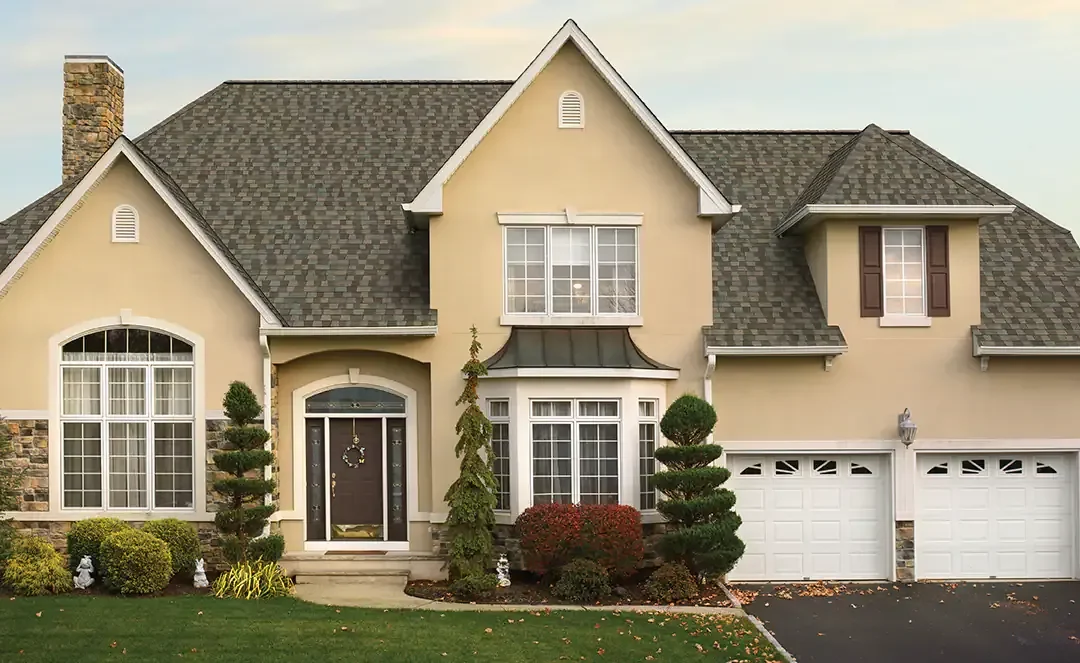
by Devin Anderson | Nov 9, 2026 | Roofing Materials
Short Answer Impact-resistant shingles are products tested to a defined impact classification, but they are not hail-proof. Their value depends on the product rating, local exposure, installation, warranty terms, and whether an insurer offers a documented discount for...