
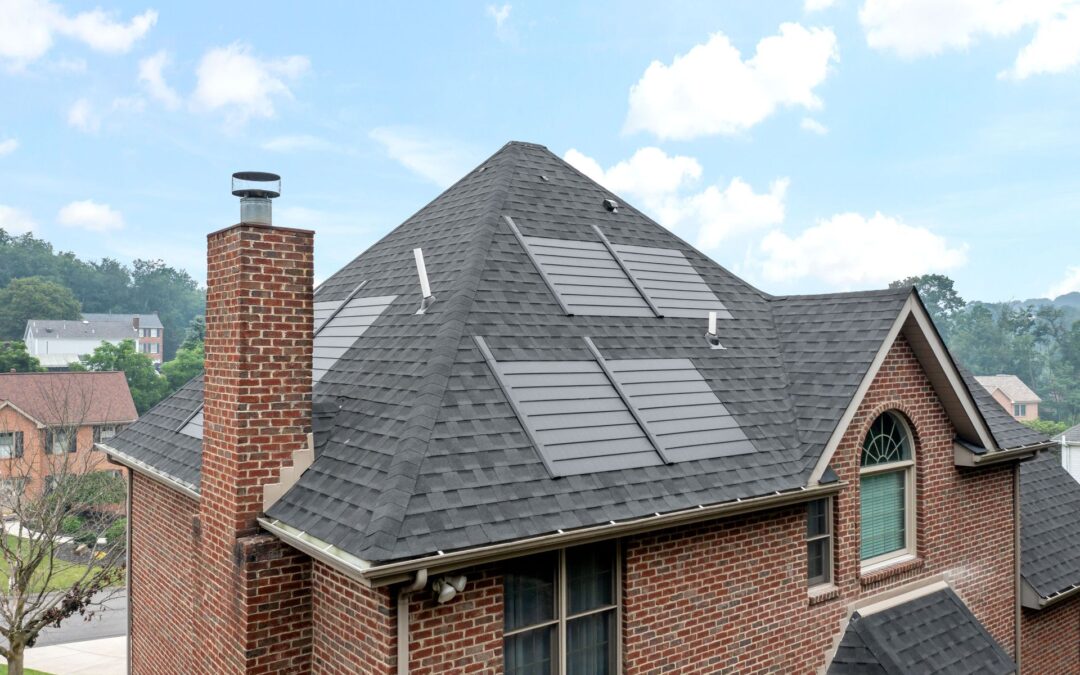
Short Answer
Some loose granules are normal on a new asphalt roof and as shingles age, but concentrated piles, exposed asphalt, bald patches, cracking, or rapid loss after a storm deserve inspection. Granules protect the shingle surface, so the pattern and severity matter more than a few grains in a gutter.
Key Takeaways
- Shingle performance depends on the complete system, including underlayment, flashing, and ventilation.
- Compare product options by documented features and installation requirements, not color or price alone.
- Roof geometry and deck condition can change the work required.
- Ask how the selected shingles integrate with flashings and ventilation.
Short Answer
So what does shingle granule loss mean? It means the small mineral granules that protect asphalt shingles have worn away or been knocked loose, reducing UV and impact protection and often exposing the underlying mat. In Greater Pittsburgh and Western Pennsylvania, granule loss can signal normal aging, storm damage, or accelerated wear—inspect and get an honest recommendation if you see heavy loss.
Key Takeaways
- Granule loss is the wearing away of the mineral surface on asphalt shingles.
- A little loss can be normal with age; heavy loss or bald spots need attention.
- Pittsburgh weather (freeze-thaw, wind, hail) and older roofs in Western PA change risk and urgency.
- If you’re unsure, Book a Free Drone Inspection for a safe, clear look and a no-pressure estimate.
Quick answer: shingle granule loss mean
Granule loss means the rough, protective top layer of asphalt shingles is coming off. That layer blocks UV rays, sheds water, and protects the shingle mat. When granules are gone, shingles age faster and leaks become more likely over time.
What homeowners should look for
Look for these signs on and around your home:
- Granules in gutters and downspouts or piled at roof edges.
- Dark, shiny areas or “bald” patches on shingles where color is gone.
- Exposed black asphalt mat or felt showing through.
- Missing or torn shingles after a storm.
- Sudden increases in attic light or leaks.
Checklist: Quick visual check you can do safely from the ground
- Inspect gutters for granule buildup
- Walk around the house to look for shingles blown off
- Use binoculars to scan for bald or dark patches on the roof
- Note any recent severe weather events
- Take photos for a professional review
What changes the answer in Western Pennsylvania
Climate and housing stock in Greater Pittsburgh and Western Pennsylvania affect how serious granule loss is:
- Weather: Freeze-thaw cycles, heavy winds, and occasional hail can speed granule loss and cause physical damage.
- Age of roof: Older asphalt roofs commonly show granule shedding—if shingles are near the manufacturer’s expected lifespan, replacement is more likely.
- Installation and ventilation: Poor installation or attic ventilation can accelerate wear.
- Neighborhood factors: Urban pollution, tree coverage, and previous storm exposure can influence the rate of loss.
Because these factors vary across Western PA, the same level of granule loss may be routine in one home and urgent in another.
Options, tradeoffs, and common mistakes
Options:
- Monitor: If loss is minor and shingles are otherwise healthy, document and re-check annually.
- Repair: Replace isolated damaged shingles to prevent leaks.
- Replace: If many shingles are bald, the roof is near end-of-life, or underlying mat is exposed, full replacement is often the best long-term choice.
Common mistakes homeowners make:
- Ignoring granule buildup in gutters—it’s an early warning sign.
- Waiting until leaks appear; repair costs and interior damage can be higher.
- Assuming all granule loss is covered by warranty or insurance—coverage depends on policy, age, and cause.
Comparison table: Minor vs Major granule loss
| Condition | Signs | Likely Action | Urgency |
|---|---|---|---|
| Minor, scattered granule loss | Some granules in gutters, small dark spots | Monitor, clean gutters, schedule inspection | Low to medium |
| Major, widespread granule loss | Large bald areas, exposed mat, shingles curling | Replace shingles or full roof | Medium to high |
| Storm-related sudden loss | Missing shingles, visible storm damage | Prompt inspection, possible repair/replacement | High |
When to call a roofing professional
Call a pro if you notice large bald patches, exposed mat, shingles missing after a storm, water stains inside your home, or if your roof is near its expected lifespan. In Greater Pittsburgh and across Western Pennsylvania, roof issues can progress faster because of seasonal weather shifts—an inspection sooner can save money later.
Mid-article note: If you spot granule buildup, bald shingles, or storm damage, Book a Free Drone Inspection. We’ll give an honest recommendation and a no-pressure estimate so you can choose the right next step.
For a clearer next step, explore our residential roofing services and request a no-pressure estimate that explains the condition, options, and recommended scope.
Final takeaway
Shingle granule loss means your roof’s protective surface is wearing away. In Greater Pittsburgh and Western Pennsylvania, weather and roof age determine how quickly that wear becomes a problem. Small amounts may be normal, but widespread loss, exposed mat, or storm damage call for professional review to avoid costly interior damage.
Final step: Book a Free Drone Inspection for a clear, safe assessment and an honest recommendation and no-pressure estimate tailored to your home in Greater Pittsburgh and Western Pennsylvania.
Frequently Asked Questions
How do I compare asphalt shingle options?
The answer depends on the condition of the roofing system, the details at vulnerable areas, and the property’s goals. A documented assessment is the most reliable way to turn a general question about what does shingle granule loss mean into a practical next step.
What else matters besides the shingle itself?
Start with a clear written scope that describes the observed condition, recommended work, materials or components involved, exclusions, and how any concealed conditions will be handled.
Can one damaged shingle be replaced?
Avoid relying on a single visible symptom or a price alone. Comparing condition notes and written scopes helps clarify which approach is appropriate for the property.
When should shingle wear be evaluated by a professional?
Contact a qualified roofing professional when there is active water entry, a safety concern, recent weather damage, or uncertainty about how the roof system is performing.
Talk With Big Fish Roofing
Big Fish Roofing serves Greater Pittsburgh and Western Pennsylvania with clear, customer-first guidance. Book a Free Drone Inspection or ask for a no-pressure estimate to discuss your property.