
Short Answer
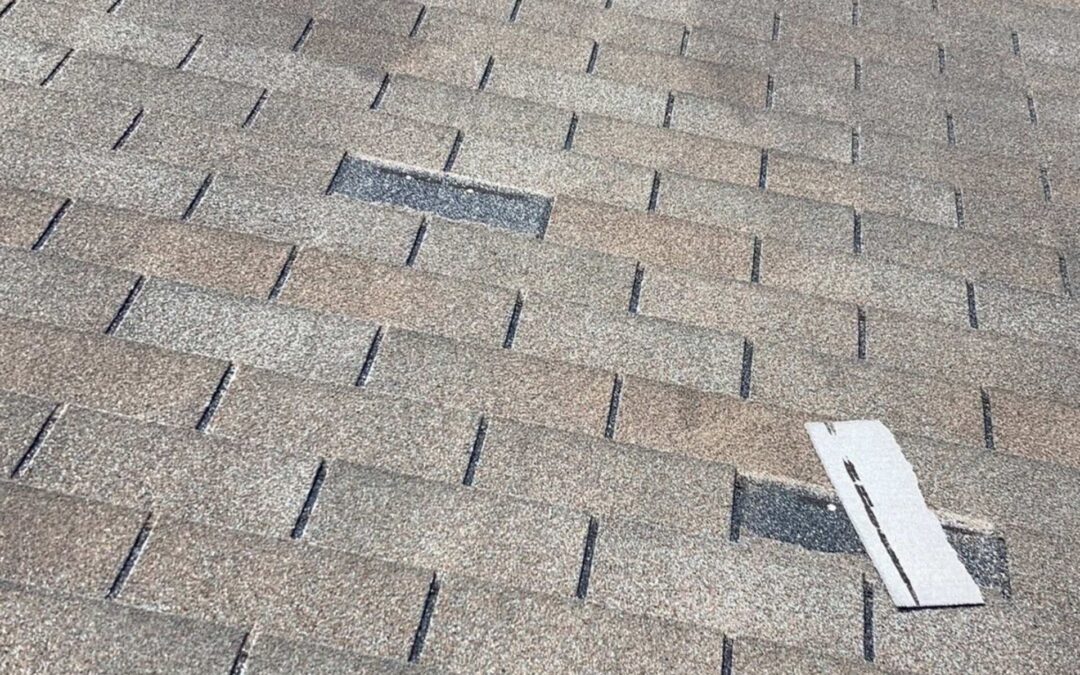
Roof wind damage signs can include missing or lifted shingles, exposed underlayment, loose flashing, damaged vents or gutters, debris impacts and new water stains indoors. Check only from the ground and arrange a professional inspection when damage is visible or the roof’s condition is uncertain.
Key Takeaways
- Do not climb onto a wet or damaged roof.
- From the ground, look for missing shingles, exposed underlayment, loose flashing, displaced vents, debris and sagging areas.
- Photograph visible exterior and interior damage without entering an unsafe area.
- Request a professional inspection when you see active leaks, missing materials, impact damage or structural movement.
Common Signs of Roof Wind Damage
After a windstorm, look for missing or torn shingles, lifted flashing, displaced vents or chimney components and new interior water stains. Treat active leaks, sagging rooflines and large debris impacts as urgent conditions.
What homeowners should look for
Start with a safe, slow walk around the perimeter of your home. Use binoculars if you have them. Never climb onto a wet or obviously damaged roof.
- Missing, torn, or curled shingles: Wind can lift shingles or tear them off entirely. Look for bare patches or shingles in gutters and on the lawn.
- Exposed underlayment or black areas: Areas where the shingle surface is gone expose the felt or deck and accelerate leaks.
- Loose or missing flashing and ridge caps: Flashing around chimneys, skylights, and valleys is often damaged in high winds.
- Damaged vents, gutters, and soffits: Wind can twist vents off and rip gutters away, allowing water to bypass your roofline.
- Granules in gutters or downspouts: An increase in asphalt granules collected in gutters indicates accelerated shingle wear.
- Interior water stains or damp attic insulation: Stains on ceilings or wet insulation mean water has already entered the structure.
- Debris and nearby tree damage: Branches, shingles in the yard, or damaged trees leaning on the house increase immediate risk.
Quick Exterior Scan (Safe, Ground-Level Only)
| Item to look for | What it may mean | Urgency |
|---|---|---|
| Missing shingles on roof or in yard | Wind uplift or loss of protection | High |
| Shingle granules in gutters | Shingle wear or surface loss | Medium |
| Loose flashing around chimneys and vents | Potential entry points for water | High |
| Sagging roofline or displaced decking | Structural concern | Immediate |
| Stains on ceilings/inside walls | Active or prior leaks | Immediate |
| Large branches on roof | Punctures, hidden damage | High |
What changes the answer in Western Pennsylvania
Greater Pittsburgh and Western Pennsylvania have older neighborhoods with steep roofs, brick homes, and many mature trees. Those local factors change how urgent a roof problem is:
- Older roofs and complex rooflines: Many homes here have multi-plane roofs and older shingles that are more vulnerable to wind uplift.
- Trees and branches: Mature trees common in the region can cause impact damage and create ongoing risk if limbs remain unstable after a storm.
- Freeze-thaw cycles: In colder months, wind-driven moisture plus freeze-thaw can worsen small roof defects fast.
If you live in an older home or under large trees in Greater Pittsburgh, inspect more carefully from the ground and consider a professional inspection sooner rather than later.
Options, tradeoffs, and common mistakes
Options after you find damage include temporary tarping, partial repairs, or full replacement. Tradeoffs depend on roof age, extent of damage, and budget.
- Temporary tarping: A tarp can keep water out until a pro can assess the roof. It’s a short-term fix, not a replacement for repairs.
- Partial repair vs. full replacement: Patching a few damaged areas can be cost-effective if the roof is relatively new; older roofs with multiple areas of damage often make replacement the better long-term choice.
- DIY vs. professional: DIY might save money on small tasks, but common mistakes include improper flashing, missed hidden damage, and personal injury. Never climb on a wet or unstable roof; hire a pro instead.
Common Mistakes Homeowners Make
- Waiting too long after spotting damage, allowing leaks to worsen.
- Climbing onto unsafe roofs and creating more damage or injury.
- Assuming all visible damage is the whole problem: wind can damage underlayment and decking where you can’t see.
When to call a roofing professional
Call a roofing professional right away if you see any of the following:
- Active leaks or water entering the home.
- Sagging rooflines or obvious structural changes.
- Large branches that have struck the roof or a chimney pushed out of alignment.
- Multiple areas of missing shingles, extensive granule loss, or damaged flashing.
What a Professional Inspection Checks
A licensed roofer will do a safer, more thorough inspection than a homeowner can from the ground. Typical steps include:
- Drone or ladder-assisted visual inspection for missing shingles, lifted flashing, and decking problems.
- Attic inspection for wet insulation, daylight coming through the roof deck, and ventilation issues.
- Checking flashing, chimneys, vents, valleys, and gutters for hidden damage.
- Assessing whether temporary protection (tarp) is needed and offering an honest recommendation for repair or replacement.
If you’d like a closer look without climbing on your roof, book a free drone inspection to document damage safely and receive a no-pressure estimate.
For a clearer next step, explore our storm-related roofing services and request a no-pressure estimate that explains the condition, options, and recommended scope.
Frequently Asked Questions
What roof damage should I look for after a storm?
From the ground, look for missing or lifted shingles, exposed underlayment, loose flashing, damaged vents or gutters, debris impacts and new water stains indoors. Avoid climbing onto a wet or damaged roof.
Can hail damage be hidden?
Yes. Hail can bruise shingles, loosen granules and damage flashing without creating an obvious hole. A professional inspection can document damage that is difficult to confirm from the ground.
Should I contact a contractor after wind damage?
Arrange an inspection when shingles are missing or lifted, flashing is loose, debris struck the roof, water is entering the home or the roof’s condition is uncertain after severe wind.
What should I document after a roofing storm event?
Record the storm date, take ground-level photos of visible exterior damage, photograph interior stains or leaks and keep emergency-service receipts. Do not climb onto the roof to collect evidence.
Talk With Big Fish Roofing
Big Fish Roofing serves Greater Pittsburgh and Western Pennsylvania with clear, customer-first guidance. Book a Free Drone Inspection or ask for a no-pressure estimate to discuss your property.