
Short Answer
A roof supplement is a documented request to revise an insurer’s initial repair scope or estimate when additional, changed, or previously missed work is identified. A contractor can provide measurements, photos, invoices, and line-item costs; the insurer decides whether the added items are covered and payable.
Key Takeaways
- A supplement documents added, changed, or previously missed repair items after the initial estimate.
- Clear photos, measurements, invoices, and line-item costs help the insurer review the request.
- A contractor can document roof conditions and repair scope, but cannot decide coverage or payment.
- Homeowners should compare the supplement with the initial estimate to catch gaps or duplicate items.
How a Roof Supplement Insurance Claim Works
A roof supplement insurance claim usually begins when a contractor identifies work that is not reflected accurately in the insurer’s initial estimate. Examples may include damaged decking discovered after tear-off, additional flashing work, revised measurements, material-price differences, or code-related items that require documentation.
The contractor prepares supporting evidence and an itemized estimate. The homeowner or contractor then submits the documentation through the insurer’s claim process. The insurer reviews the request and determines whether any revision is covered and payable under the policy.
What Homeowners Should Review
Before a supplement is submitted, confirm that the request is specific, property-based, and easy to compare with the original estimate. Look for:
- Clear documentation: dated photos, measurements, invoices, and supporting notes.
- Cause and timing: an explanation connecting each requested item to the reported loss or repair discovery.
- Line-item detail: materials, quantities, labor, and any code-related work listed separately.
- Overlap: a comparison showing that the requested work was not already included in the initial estimate or payment.
Checklist: Reviewing a Roof Supplement
| Item to check | Supporting detail | If missing |
|---|---|---|
| Photos and measurements | Dated, property-specific images and quantities | Request additional documentation |
| Cause and timing | Explanation tying the item to the reported loss | Ask the contractor to clarify |
| Line-item scope | Materials, quantities, labor, and code-related work | Request an itemized estimate |
| Prior payment or overlap | Comparison with the initial insurer estimate | Resolve duplicate items before submission |
What Changes in Western Pennsylvania
Greater Pittsburgh and Western Pennsylvania have older housing stock, steep roof designs, layered roofing systems, and freeze-thaw cycles that can complicate an initial inspection. Conditions beneath the visible roof covering may not be confirmed until work begins.
Local labor rates, material availability, roof access, slope, and code requirements can also affect the documented repair scope. These factors should be supported with property-specific evidence; the insurer still determines whether an item is covered and payable.
Options, Tradeoffs, and Common Mistakes
Homeowners may accept the initial estimate, provide supplemental documentation for review, or request a reinspection when new evidence supports it. Each option has timing and cost implications.
- Do not rely on verbal assurances: request written scope and cost details.
- Do not duplicate paid items: compare every supplemental line with the original estimate.
- Document discoveries promptly: photograph concealed damage before it is covered or repaired.
- Keep receipts and invoices: retain records for temporary protection, materials, and completed work.
When to Call a Roofing Professional
Contact a qualified roofer when the initial estimate lacks repair detail, when concealed damage is discovered during work, or when measurements and material requirements do not match the documented scope. A roofing professional can describe roof conditions, prepare an itemized repair estimate, and supply supporting photos and measurements.
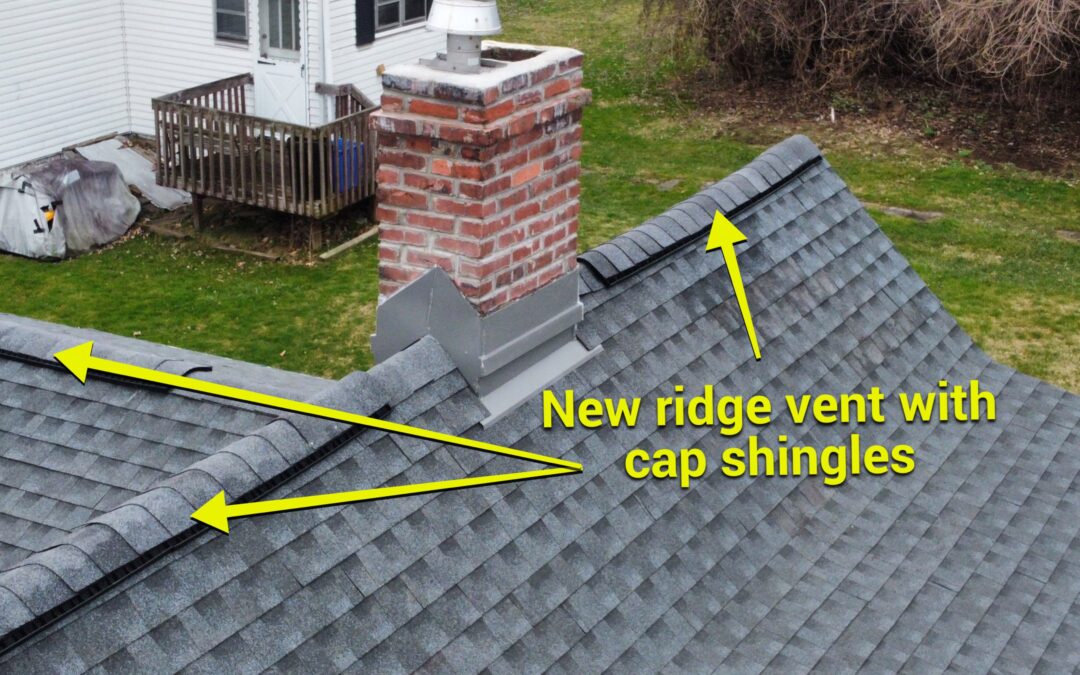
For steep, older, or difficult-to-access roofs in Western Pennsylvania, a drone inspection can capture detailed exterior evidence without requiring unsafe roof access. If you need property-specific documentation, book a free drone inspection for a clear, no-pressure assessment.
Initial Estimate vs. Roof Supplement
| Feature | Initial insurer estimate | Contractor supplement |
|---|---|---|
| Purpose | Documents the initial repair scope and estimated cost | Requests review of added, changed, or missed items |
| Prepared by | Insurer or adjuster | Contractor or restoration professional |
| Typical evidence | Adjuster notes, photos, and measurements | Itemized costs, photos, measurements, invoices, and discovery notes |
| Effect | Supports the insurer’s initial claim evaluation | May revise the estimate if the insurer approves the documented items |
Frequently Asked Questions
Who submits a roof supplement?
A contractor often prepares the itemized estimate and supporting evidence. The homeowner, contractor, or another authorized claim participant may submit it using the insurer’s required process.
Does a supplement guarantee additional payment?
No. A supplement is a request for review, not a coverage decision. The insurer evaluates the documentation and policy terms before deciding whether an item is covered and payable.
When should supplemental items be documented?
Document them as soon as they are identified. Take dated photos and preserve measurements, invoices, and discovery notes before concealed conditions are covered or repaired.
What evidence supports a supplement?
Useful evidence may include property-specific photos, measurements, an itemized estimate, invoices, repair notes, applicable code documentation, and a comparison with the initial insurer estimate.
Talk With Big Fish Roofing
Big Fish Roofing serves Greater Pittsburgh and Western Pennsylvania with clear, customer-first guidance. Book a Free Drone Inspection or ask for a no-pressure estimate to discuss your property.