
Short Answer
The most helpful documents include dated photos of the damage, a written description or timeline of events, your insurance policy declarations page, prior repair receipts or invoices, and any local weather reports or contractor inspection notes. In Greater Pittsburgh and Western Pennsylvania, those records help establish when the damage occurred and distinguish new damage from pre-existing conditions. For a clear next step, consider a no-pressure, professional inspection.
Key Takeaways
- Photos, dated records, and receipts are the core documents that support a roof damage claim.
- Policy details and prior maintenance or repair records change how an insurer views a claim in Western Pennsylvania.
- Timely documentation after a storm helps; delayed or missing records create common problems.
- If you’re unsure, a professional inspection can document damage precisely and safely.
Documents That Support a Roof Damage Claim
To support a roof damage claim, gather clear dated photos, a written timeline of events, your insurance policy declarations page, invoices for past repairs or maintenance, and any expert inspection notes. In the first 24–72 hours after visible damage, start documenting—this is especially important in Greater Pittsburgh and Western Pennsylvania where wind, ice, and heavy snow are common.
What homeowners should look for
Start with these items. Keep everything dated and organized:
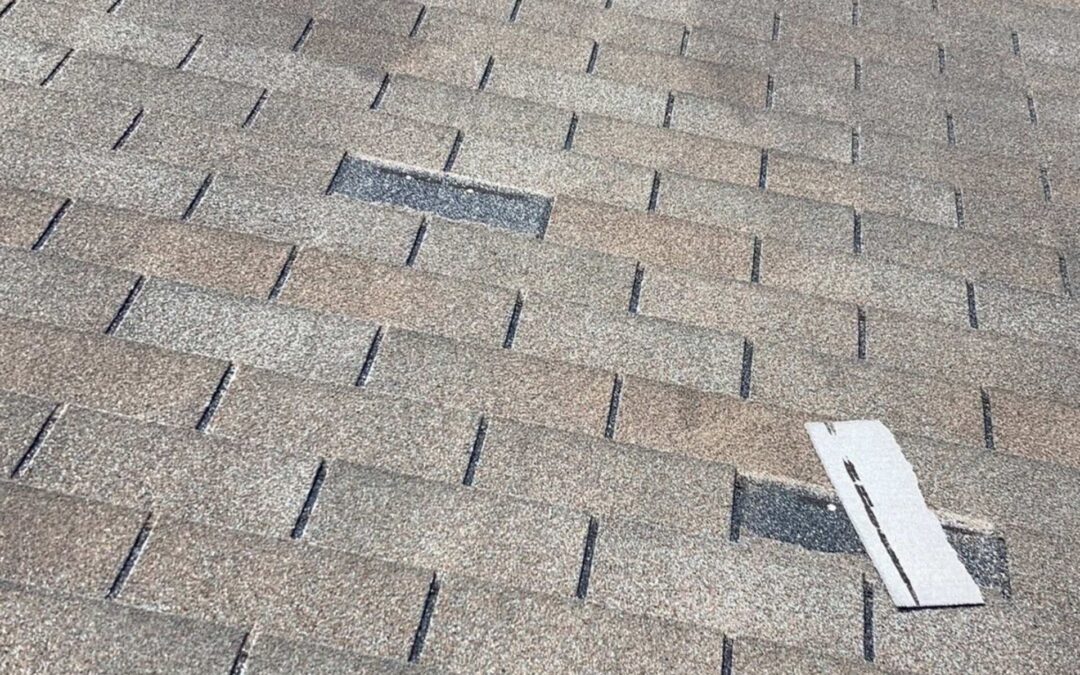
- Photos and videos: wide shots and close-ups showing damaged shingles, flashing, gutters, and interior leaks. Include a timestamp or keep a file naming system with dates.
- Written timeline: short notes about when you noticed damage, weather around that time, and any temporary fixes you made.
- Insurance policy documents: the declarations page, coverage limits, deductibles, and any endorsements related to wind, hail, or ice.
- Receipts and invoices: proof of prior repairs, roof replacements, or routine maintenance shows condition before damage.
- Professional inspection reports: notes from a roofer, adjuster, or drone inspection that describe the damage and likely cause.
- Weather records: local storm reports, radar screenshots, or NWS summaries for the date of damage (helpful for proving a covered event).
Checklist: Documents to collect
| Document type | Why it helps | Example |
|---|---|---|
| Photos & video | Visual proof of damage and progression | Dated photos from phone or drone |
| Timeline notes | Shows when and how damage was discovered | Daily notes or email to self |
| Policy declarations | Clarifies coverage and deductibles | Declarations page from insurer portal |
| Repair receipts | Shows prior condition and maintenance | Paid invoices from past contractors |
| Inspection reports | Professional assessment of cause/extent | Roofer or drone inspection report |
| Local weather data | Supports timing and cause of damage | NWS report, local station summary |
(Keep digital backups: cloud storage or email copies to yourself.)
Mid-article note: If you’d like a careful, documented look at your roof, Book a Free Drone Inspection. A drone can safely capture thorough photos and video we can use in a claim file.
What changes the answer in Western Pennsylvania
Local factors in Greater Pittsburgh and Western Pennsylvania affect the documentation you’ll need:
- Weather patterns: Heavy snow, ice dams, and wind-driven rain are common. If winter weather likely caused damage, include snowfall totals or road closures for the same period.
- Older housing stock: Many homes here have older roofs or multiple layers. If your roof is aged or has prior repairs, invoices and photos showing prior condition matter more.
- Tree cover: Properties with large trees may suffer impact or branch damage. Include photos of fallen limbs and municipal tree removal records if available.
In short, the more you can show about the cause and timing of damage in our climate: the better your supporting file will be.
Options, tradeoffs, and common mistakes
Options:
- DIY documentation: Quick and free, but can miss roof details or safety risks from climbing.
- Professional inspection: Costs a bit but provides an expert report and high-quality images (drones are especially useful).
Tradeoffs:
- Waiting versus documenting now: Immediate photos and notes are low-effort and preserve evidence. Waiting can risk further deterioration or questions about timing.
- Accepting a quick, informal repair versus documenting damage: Temporary fixes help prevent interior damage but should be documented (photo before/after, receipts).
Common mistakes to avoid:
- Not dating or backing up photos.
- Throwing away old repair receipts or neglecting prior maintenance records.
- Climbing onto an icy or steep roof: safety first. Use a professional inspection instead.
When to call a roofing professional
Call a pro when you can’t safely document the damage yourself, when you see structural issues, or when leaks are active and worsening. A roofing professional can:
- Provide a detailed inspection report and estimate.
- Use a drone for high-resolution images without the safety risk.
- Point out pre-existing conditions vs. new storm damage (helpful for insurers).
In Greater Pittsburgh and Western Pennsylvania, many roofing companies are quick to respond after storms. A local roofer knows how common problems present in our homes and can offer honest recommendations and documentation to support your claim.
Final takeaway
The strongest roof damage claims start with timely, dated photos, a clear timeline, policy paperwork, and records of prior maintenance or repairs. In Greater Pittsburgh and Western Pennsylvania, local weather and older roofs make prompt, thorough documentation especially important. When in doubt, get a professional inspection to create a clear record.
Ready for a careful, documented look? Book a Free Drone Inspection to capture safe, high-quality images and get an honest assessment of your roof.
Frequently Asked Questions
What photos should I take for a roof damage claim?
Take safe ground-level photos of each roof slope, close-ups of visible damage, gutters and downspouts, fallen debris, and interior stains or leaks. Preserve the original files and dates, and do not climb onto a damaged roof.
Can a weather report support the claim?
A dated local weather report can help establish when wind, hail, or another event occurred, but it does not prove that the roof was damaged. Pair it with property-specific photos and inspection findings.
Should I include prior maintenance and repair records?
Yes. Invoices, warranties, and earlier inspection photos can document the roof’s condition before the event and help separate new damage from existing wear or prior repairs.
What contractor documents are most useful?
Useful records include dated inspection notes, annotated photos, an itemized repair scope, material and labor estimates, and receipts for reasonable emergency work. The contractor documents conditions; the insurer decides coverage.
Talk With Big Fish Roofing
Big Fish Roofing serves Greater Pittsburgh and Western Pennsylvania with clear, customer-first guidance. Book a Free Drone Inspection or ask for a no-pressure estimate to discuss your property.