
Short Answer
Call a roofer first to document damage and stop any urgent leaks; then contact your insurer to report the claim. A contractor’s documentation helps your insurance conversation, but the insurer decides coverage. If you’re in Greater Pittsburgh or Western Pennsylvania, start with a local roofer who understands regional weather and building styles.
Key Takeaways
- Call a roofer first to assess damage and create dated documentation.
- Contractor inspections inform but don’t determine insurance coverage decisions.
- In Greater Pittsburgh and Western Pennsylvania, weather and home age affect timing and fixes.
- For clarity, get a no-pressure estimate and professional photos before filing.
Quick answer
If your roof is actively leaking or clearly damaged, call a roofer first to make temporary repairs and document the condition. Then contact your insurance company to report the loss. The roofer documents scope and cost; the insurer reviews coverage and pays according to your policy.
What homeowners should look for
When deciding who to call first, check these immediate concerns:
- Active leaks or water entering the home
- Fallen trees or large branches on the roof
- Missing shingles or visibly torn underlayment
- Structural movement, sagging, or interior ceiling stains
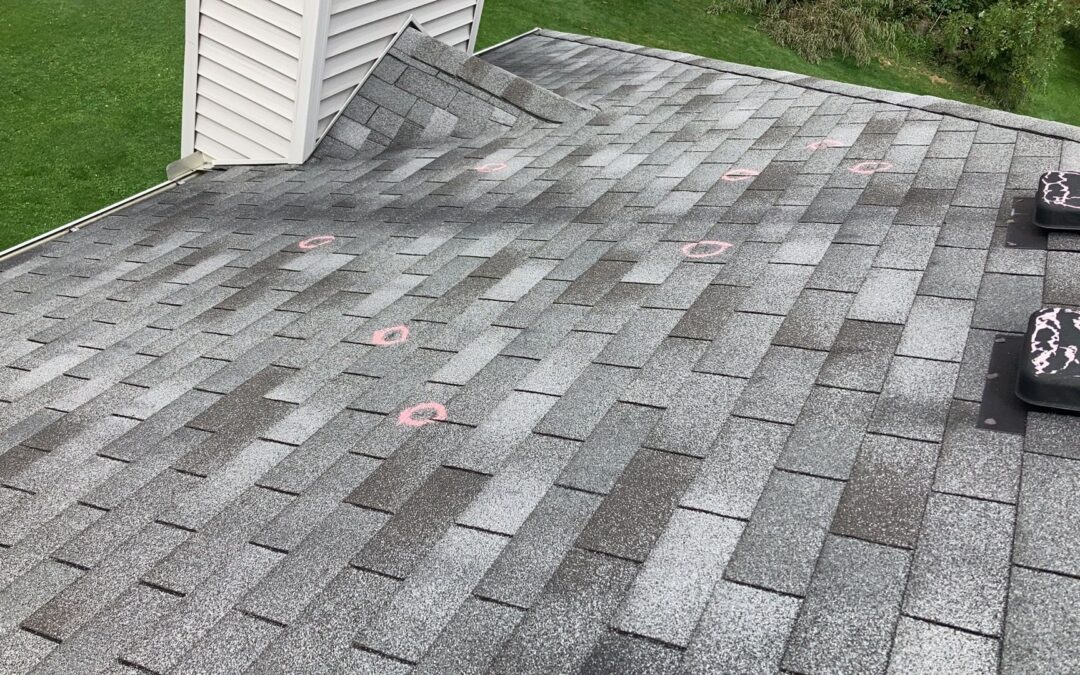
Documentation matters. A local roofer can take date-stamped photos, perform temporary tarping, and provide a written estimate that helps you communicate the situation to your insurer.
What changes the answer in Western Pennsylvania
Greater Pittsburgh and Western Pennsylvania have specific factors that affect the decision:
- Weather: Heavy snow, ice dams, spring storms, and high winds are common: quick temporary fixes prevent interior damage.
- Housing stock: Older homes may have layered roofing and hidden issues that need a professional eye before filing a claim.
- Timing: After major regional storms, both roofers and insurers get busy. Early documentation and temporary protection can preserve options.
Local roofers know neighborhood construction practices and common problem areas, so their inspection can speed an informed conversation with your insurer.
Options, tradeoffs, and common mistakes
Compare the usual choices and pitfalls:
| Option | Pros | Cons | When to choose |
|---|---|---|---|
| Call a roofer first | Fast documentation, immediate leak control, professional photos/estimate | Extra step before filing; costs if no claim | Active leaks, visible damage, need for emergency tarping |
| Call insurer first | Opens claim early, insurer guidance on next steps | May request contractor estimate later; slower emergency response | Minor damage, non-urgent issues, or when insurer requires immediate notice |
Common mistakes to avoid:
- Waiting with an active leak; interior damage often increases costs.
- Accepting unsolicited door-to-door adjusters without verifying credentials.
- Skipping documentation (photos, written estimates, date-stamped notes).
Roofer or Insurance Company First: A Simple Checklist
Use this checklist to decide next steps and prepare for both the roofer and the insurer:
- [ ] Is water entering the home? If yes, call a roofer for emergency tarping.
- [ ] Take clear, date-stamped photos of roof and interior damage.
- [ ] Get a written, itemized estimate from a local roofing pro.
- [ ] Contact your insurer to report the loss and share contractor documentation.
- [ ] Keep receipts for any temporary repairs or emergency materials.
Mid-article note: Having a local roofer inspect damage first doesn’t lock you into any contractor: it gives you documented facts you can show your insurer. For a fast, accurate assessment, Book a Free Drone Inspection and get clear photos and a no-pressure estimate.
When to call a roofing professional
Call a roofer first if:
- You have active leaks or water in the attic
- A tree or large branch is on the roof
- You see large areas of missing shingles or exposed decking
- You want professional documentation before filing a claim
Call your insurer first if:
- Damage looks cosmetic and there’s no active leak
- Your policy requires immediate notice for certain perils
- You prefer the insurer’s guidance before hiring a contractor
A local roofer in Greater Pittsburgh can often tell you whether a condition is an immediate risk and provide the dated photos and estimate insurers expect.
Final takeaway
For most homeowners in Greater Pittsburgh and Western Pennsylvania, the safest first step is to call a local roofer to stop active leaks and collect dated documentation, then notify your insurance company. Contractor documentation strengthens your position, but coverage is decided by your insurer.
Book a Free Drone Inspection to get clear, date-stamped photos, a no-pressure estimate, and honest recommendations from a local roofing team.
Frequently Asked Questions
Who should I call first if my roof is actively leaking?
Call a qualified roofer or emergency service for safe temporary protection, then notify your insurer promptly according to your policy. Photograph the damage before and after temporary work when it is safe to do so.
Can a roofer file the insurance claim for me?
The homeowner or policyholder reports the loss and communicates with the insurer. A roofer can provide photos, inspection notes, and an itemized scope that helps the insurer evaluate the claim.
Should I contact insurance before signing with a contractor?
You can report the loss before choosing a contractor. Review the contractor’s scope, payment terms, and cancellation language, and avoid signing under pressure after a storm.
What if the roof damage appears minor?
Document it and arrange a professional inspection because small surface signs can accompany less-visible damage. Check your policy for notice deadlines before deciding whether to file a claim.
Talk With Big Fish Roofing
Big Fish Roofing serves Greater Pittsburgh and Western Pennsylvania with clear, customer-first guidance. Book a Free Drone Inspection or ask for a no-pressure estimate to discuss your property.