
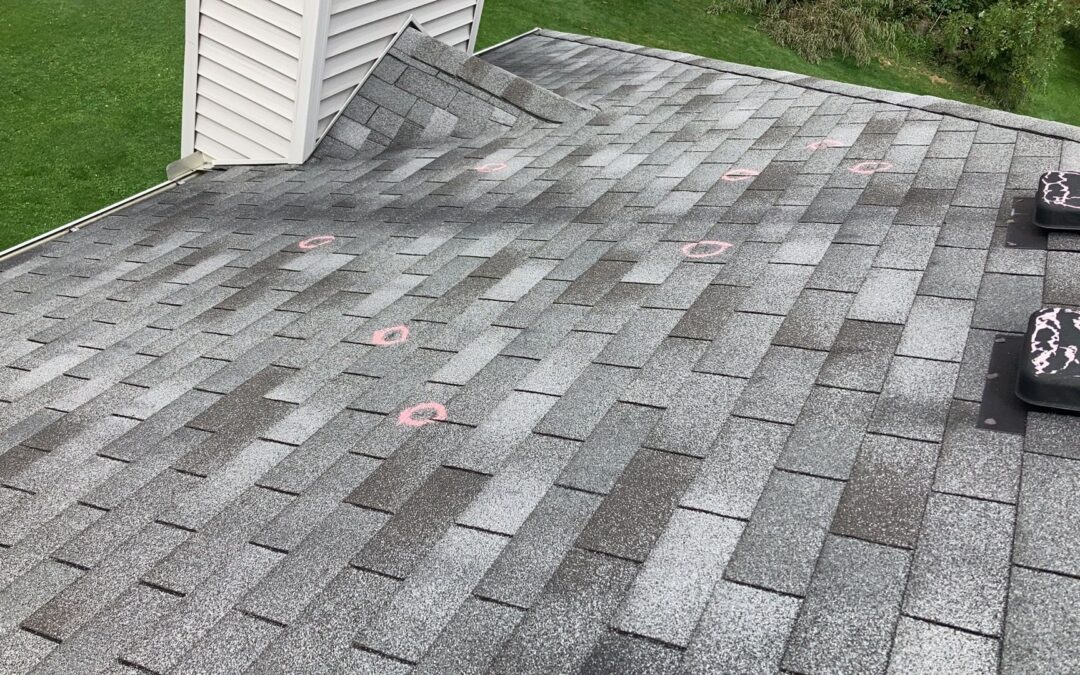
When to Schedule a Post-Storm Roof Inspection
If your home experienced wind, hail, fallen branches, or heavy rain, you should soon schedule roof inspection after storm — ideally within 24–72 hours for damage control and safety checks. For non-urgent, minor storms, a professional inspection within 1–2 weeks is usually fine; always avoid climbing on a wet or damaged roof and call for urgent help if you see active leaks or major structural damage.
Key Takeaways
- Look for active leaks, fallen debris, missing shingles, or sagging ceilings: these may require immediate attention.
- In Greater Pittsburgh and Western Pennsylvania, seasonal wind and freeze-thaw cycles can make storm damage worse; earlier inspections help limit water intrusion.
- If you see active leaks, exposed attic insulation, or large branches on the roof, call a professional right away at 724-954-3827.
- For peace of mind and accurate documentation, schedule a professional inspection within 72 hours if possible.
How soon schedule roof inspection after storm — Quick answer
After a damaging storm, homeowners should aim to have a professional inspection within 24–72 hours when possible. This timeline helps catch active leaks, loose or missing shingles, and structural concerns before water causes more interior damage. If conditions are unsafe (downed power lines, flooding, heavy snow, or an unstable roof), wait for emergency crews to clear hazards and call a roofing professional to assess when it’s safe.
What homeowners should look for
Start from the ground and work up: don’t climb on the roof.
- Immediately check the attic for new water stains, wet insulation, or daylight showing through the roof deck.
- Walk the perimeter of your home and look for missing or curled shingles, dented flashing, or granule loss in gutters.
- Note clogged or displaced gutters and downspouts that could redirect water into the eaves.
- Look for large debris, fallen tree branches, or sagging rooflines that indicate structural harm.
Quick safety note: Never climb onto a wet or visibly damaged roof. Use binoculars, photos, or a drone for an initial look from a safe distance.
What changes the answer in Western Pennsylvania
Greater Pittsburgh and Western Pennsylvania have a climate that includes strong spring and fall winds, summer storms, and freeze-thaw cycles in winter. Those conditions can:
- Turn small shingle or flashing issues into leaks faster because of repeated temperature swings.
- Increase risk of ice dams in winter after roof damage, which can worsen interior water intrusion.
- Make roof debris and tree damage more common in older neighborhoods with mature trees.
Because of these local factors, earlier inspections (within 24–72 hours) are often the safer choice here than waiting several weeks.
Options, tradeoffs, and common mistakes
- DIY visual check vs. professional inspection: A quick ground-level or attic check can catch obvious issues, but a pro inspects roof deck, flashings, valleys, vents, and chimney details most homeowners miss.
- Waiting to schedule: Waiting may be OK after minor storms with no signs of leakage, but delays increase the chance of hidden damage growing worse.
- Common mistakes: climbing on a wet roof, removing shingles yourself, or ignoring attic signs like damp insulation. These actions risk safety and can mask damage during later inspections.
Comparison checklist: Immediate actions vs. delayed scheduling
| Action | Do it now (within 24–72 hrs) | OK to wait (1–2 weeks) |
|---|---|---|
| Check attic for leaks | Yes | No |
| Inspect ground-level roof view (binoculars/drone) | Yes | No |
| Remove light debris from gutters | Yes | Yes |
| Schedule professional inspection | Yes (preferred) | If no visible issues |
| Climb on roof to inspect | Never | Never |
When to call a roofing professional
Call a roofing professional immediately at 724-954-3827 if you see any of the following:
- Active water leaks inside your home (drips, wet spots, or pooling).
- Large branches, holes, or sections of roof missing/exposed.
- Sagging ceilings, rapidly spreading water stains, or exposed insulation in the attic.
For less obvious damage (missing granules, small shingle lifts, dented flashing), schedule a no-pressure estimate and inspection within a few days. Pros use safe access methods, ladders, harnesses, and sometimes drone imaging, to document damage and give honest recommendations for repair or replacement.
Mid-article note: If you believe your roof may be leaking or unsafe, call 724-954-3827 for urgent help. We provide no-pressure estimates, honest recommendations, and can arrange drone inspections to assess damage safely.
Frequently Asked Questions
How soon should I schedule a roof inspection after a storm?
Schedule within 24–72 hours when you see leaks, missing shingles, hail marks, fallen debris, or a sagging roofline. If the storm was minor and there are no warning signs, arrange an inspection within one to two weeks.
Which signs make a roof inspection urgent?
Active water entry, exposed decking, large branches, downed lines, or ceilings that are sagging require immediate attention. Stay away from the affected area and contact emergency services first if utilities or structural stability are involved.
Can storm damage be hidden from the ground?
Yes. Lifted shingle seals, bruising, damaged flashing, and small punctures may not be visible from the yard. A professional can inspect vulnerable areas and document the condition without asking the homeowner to climb onto the roof.
What should I document before the roofer arrives?
Take dated photos or video from safe ground-level locations, note when the storm occurred, and record any leaks or interior stains. Do not move damaged roofing materials unless needed for immediate safety.
Talk With Big Fish Roofing
Big Fish Roofing serves Greater Pittsburgh and Western Pennsylvania with clear, customer-first guidance. Book a Free Drone Inspection or ask for a no-pressure estimate to discuss your property.