
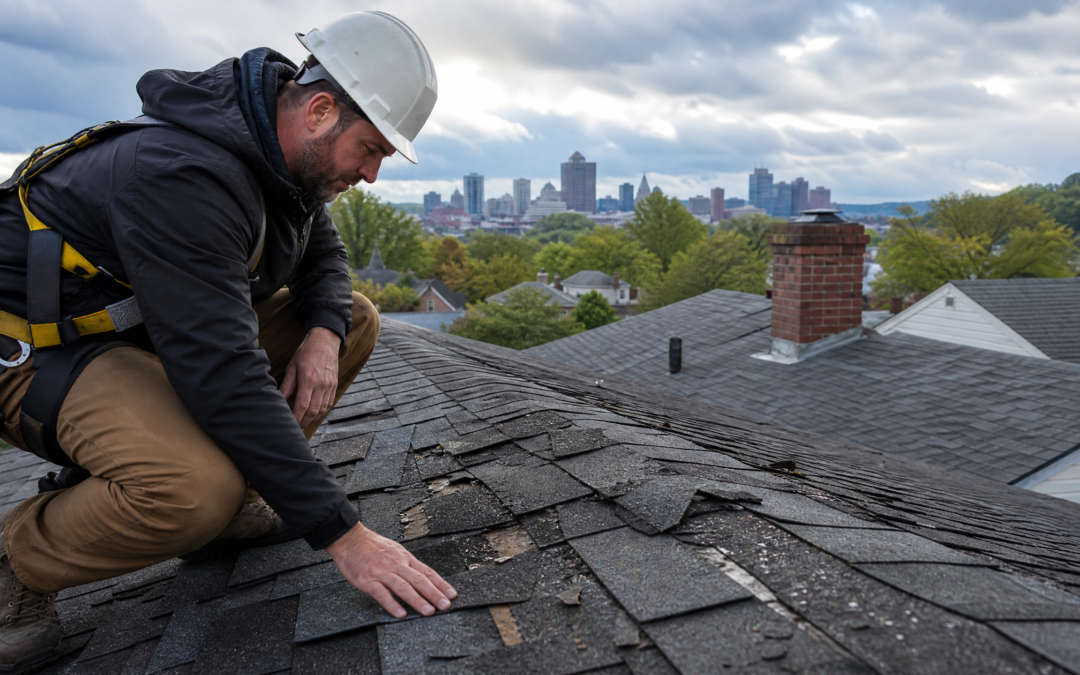
How to Protect Your Roof Before Severe Weather
If you need to protect your roof before a severe storm, start with immediate safety: clear gutters and loose items, secure outdoor furniture, and check for obvious loose shingles from the ground. Avoid climbing onto a wet or damaged roof — instead document visible issues and call a local pro for a timely inspection and honest recommendations.
Key Takeaways
- Take immediate, safe steps: remove debris, secure loose items, and trim overhanging branches.
- Do not climb on a wet or damaged roof; inspect from the ground or take photos.
- A professional inspection checks fasteners, flashing, vents, and attic signs of leaks.
- In Greater Pittsburgh and Western Pennsylvania, wind and freeze-thaw cycles change priorities.
- Call a trusted roofer for urgent problems or to Book a Free Drone Inspection and get a no-pressure estimate.
Quick answer: protect roof before severe storm
When you need to protect roof before severe storm, focus on safety first and quick, damage-limiting actions you can do from the ground or yard. Secure loose items, clear gutters, and photograph any visible damage. If you see large overhang damage, sagging, or active leaks: contact a roofing professional right away.
What homeowners should look for
Look from the ground or attic; never climb on a wet or unstable roof.
- Shingles: missing, curled, cracked, or loose shingle edges visible from the yard.
- Flashing and seals: gaps or rusting around chimneys, skylights, and vents (visible from a ladder-Free Drone Inspection).
- Gutters and downspouts: clogged gutters cause water backup and ice dams in winter.
- Trees and branches: dead limbs or limbs overhanging the roof that could fall in high winds.
- Attic signs: water stains, damp insulation, or visible daylight through the roof deck when safe to check from inside.
Checklist: Quick exterior checks you can do safely
| Task | Why it matters | Do it now? |
|---|---|---|
| Clear gutters & downspouts | Prevents water backup and ice dams | Yes |
| Bring in or secure patio furniture | Prevents flying debris damage | Yes |
| Trim loose branches (ground-level) | Removes potential falling hazards | Yes |
| Photograph visible shingle or flashing issues | Documentation for repairs/insurance | Yes |
| Turn off electricity in flooded areas | Prevents shock if water enters home | If needed |
What changes the answer in Western Pennsylvania
Storm & wind damage Western PA often involves stronger seasonal winds, heavy rain, and freeze-thaw cycles that create different risks than other regions. In Greater Pittsburgh, many homes have older roofs, mature trees, and valley microclimates that can increase wind gusts and localized rainfall. That means:
- Older roofing systems may have weakened nails or flashing: prioritize inspection if your roof is 10+ years old.
- Snow and ice season can create ice dams; keeping gutters clear and attic ventilation balanced helps reduce that risk.
- If you live in a tree-lined neighborhood near Pittsburgh, remove or brace high-risk branches early in storm season.
When searching for help, homeowners often type “protect roof before severe storm Pittsburgh” or “protect roof before severe storm near me.” Choose a local company familiar with Western Pennsylvania weather and common neighborhood roofing types.
Options, tradeoffs, and common mistakes
Options:
- DIY prep (safe tasks only): clearing gutters, securing outdoor items, and photographing damage. Low cost, immediate.
- Professional pre-storm inspection: a roofer can find hidden issues (flashing, fasteners, attic checks). Higher cost but more thorough.
- Preventive upgrades: replacing worn flashing, replacing failing shingles, improving attic ventilation. Best for long-term protection but costlier now.
Tradeoffs:
- Speed vs thoroughness: quick DIY checks are fast but miss hidden problems.
- Cost now vs risk later: investing in repairs before storms reduces likely emergency damage but is an upfront expense.
Common mistakes to avoid:
- Climbing on a wet, icy, or wind-blown roof: it’s dangerous and can cause more harm.
- Ignoring attic signs of leaks thinking it can wait: small leaks can grow fast during heavy rain.
- Leaving tree work to bad-weather days: trim before storms, not after.
When to call a roofing professional
Call a roofer right away if you see any of the following:
- Active leaks or water entering the attic or living spaces.
- Large sections of missing or blown-off shingles.
- Sagging roof areas or visible structural damage from fallen limbs.
- Exposed or damaged flashing around chimneys, skylights, or vents.
What a professional inspection checks:
- Shingle condition and attachment points.
- Flashing, seals, and chimney/wall transitions.
- Underlayment condition and fastener security.
- Attic ventilation, insulation, and any leak sources.
- Drone or ground-level photos to document areas you can’t safely reach.
Mid-article soft CTA:
If you’re worried about a storm coming or just want an expert look, Book a Free Drone Inspection or call for a no-pressure estimate. We’ll provide honest recommendations focused on reducing damage and prioritizing safety.
For a clearer next step, explore our storm-related roofing services and request a no-pressure estimate that explains the condition, options, and recommended scope.
What to Do Next
Protecting your roof before a severe storm in Greater Pittsburgh and Western Pennsylvania is about quick, safe actions you can do now, and knowing when to bring in professionals. Stay off unsafe roofs, document visible issues, and focus on actions that reduce immediate risk like clearing gutters and removing loose yard items.
Schedule a Pre-Storm Inspection
If you see active leaks, large missing shingles, or storm damage, call 724-954-3827 for urgent help. We provide prompt inspections, clear documentation, and honest, no-pressure estimates to help protect your home.
Frequently Asked Questions
What should I do before a severe storm reaches my home?
Secure outdoor furniture and tools, clear accessible gutters and drains, close windows, and move vehicles away from large trees. Complete only ground-level tasks while conditions are calm.
Should I inspect the roof myself before a storm?
Use binoculars or ground-level photos and check accessible attic areas for moisture. Do not walk on the roof, especially when wind, rain, ice, or existing damage is present.
Which roof problems should be repaired before severe weather?
Prioritize loose or missing shingles, open flashing, clogged drainage, unstable branches, active leaks, and sagging areas. A professional can determine which items require immediate work.
Can a pre-storm inspection prevent all damage?
No inspection can prevent every storm loss, but identifying weak shingles, flashing, drainage, and tree hazards can reduce avoidable damage and improve emergency planning.
Talk With Big Fish Roofing
Big Fish Roofing serves Greater Pittsburgh and Western Pennsylvania with clear, customer-first guidance. Book a Free Drone Inspection or ask for a no-pressure estimate to discuss your property.