
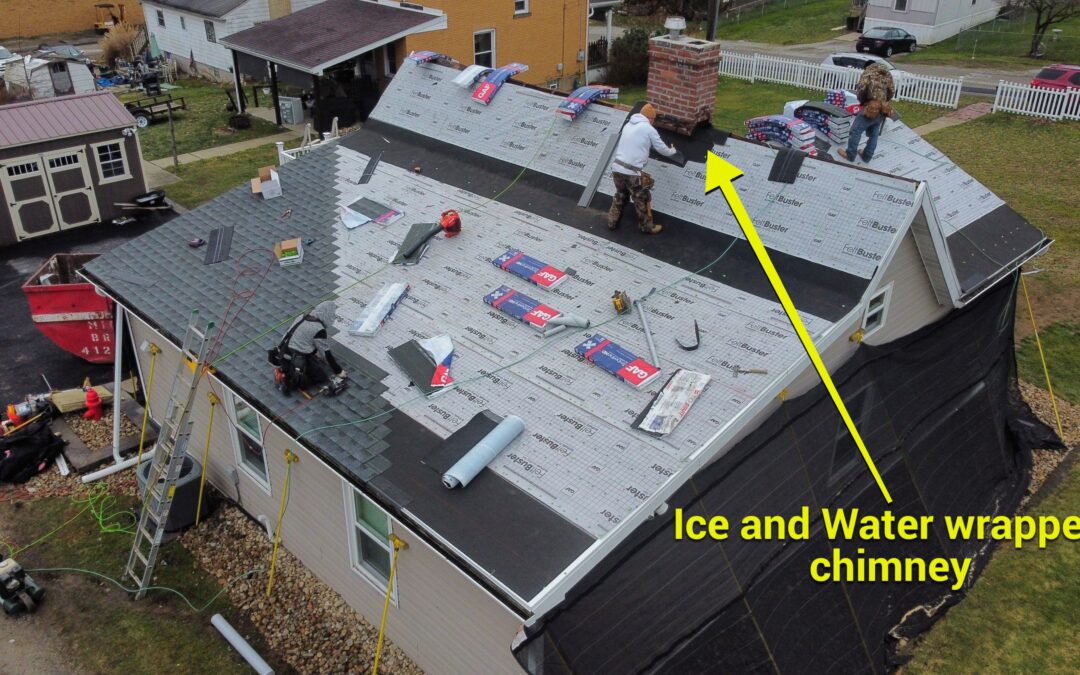
Short Answer
Yes, a drone inspection can find hidden storm damage quickly and safely. A professional drone pilot can scan roofs, chimneys, gutters, and other high or hard-to-reach areas to spot missing shingles, impact marks, lifted edges, and debris that aren’t visible from the ground. If you suspect recent wind or hail damage in Greater Pittsburgh or elsewhere in Western Pennsylvania, stay off the roof and call a pro for a no-pressure estimate.
Key Takeaways
- A drone inspection can find hidden storm damage faster and safer than a DIY roof check.
- Drones are especially useful for spotting lifted shingles, granule loss, and chimney or flashing damage.
- Don’t climb onto a wet or damaged roof: document from the ground and call a professional.
- For urgent concerns in Greater Pittsburgh and Western PA, call 724-954-3827 for immediate help.
How a Drone Inspection Finds Hidden Storm Damage
A professional drone inspection can identify hidden storm damage by capturing high-resolution images and video of areas homeowners can’t safely reach. For urgent storm and wind damage Western PA scenarios, drone inspection helps you decide whether temporary protection (like tarping) is needed and whether a full roof repair or replacement evaluation is next.
What homeowners should look for
Immediate safety and damage-control steps
- Stay off the roof. Wet, icy, or wind-damaged roofs are dangerous.
- Take ground-level photos of visible damage, fallen limbs, or missing siding.
- Move vehicles away from areas where debris might fall.
- Keep records: date-stamped photos, time, and notes about the storm.
Visible signs a drone will check (what pros look for)
- Missing or cracked shingles and split edges
- Bruising or pockmarks from hail and granule loss
- Lifted or curled shingle tabs and exposed underlayment
- Damaged or displaced flashing around chimneys, vents, and skylights
- Clogged or damaged gutters and downspouts
- Debris or punctures on flat roofing or low-slope areas
A drone also captures angles that reveal subtle slope changes or soft spots indicated by surface irregularities.
What changes the answer in Western Pennsylvania
Weather and housing stock in Greater Pittsburgh and Western Pennsylvania mean roofs often face heavy snow loads, wind-driven rain, and salt exposure near roadways. Older homes with steep pitches, multiple dormers, or original slate/wood shingles can hide damage under edges or behind complex roof lines. That makes drone inspections especially valuable here: drones quickly map those tricky areas without putting homeowners or technicians at unnecessary risk.
Seasonal notes for our area
- Spring and fall storms: wind and hail are common; look for missing granules and lifted shingles.
- Winter: ice dams can hide damage until melt—document ice build-up but don’t remove it yourself on a ladder or roof.
- Older Pittsburgh neighborhoods: multiple roof planes and chimneys increase places where damage may be concealed.
Options, tradeoffs, and common mistakes
Comparison: Drone inspection vs. Roof walk vs. DIY check
| Method | Pros | Cons |
|---|---|---|
| Drone inspection | Fast, safe, high-res images of hard-to-reach areas | May miss interior leaks without moisture scan; dependent on operator skill |
| Professional roof walk | Hands-on view, can test problem spots | Riskier on steep/wet roofs; may be more time-consuming and costly |
| DIY check (ground-level) | Immediate, low-cost, good for general signs | Misses hidden damage and can be unsafe if you climb on roof |
Common homeowner mistakes
- Climbing onto a damaged or wet roof after a storm (don’t do this).
- Assuming no visible ground damage means the roof is fine: many issues hide along ridges, eaves, or flashing.
- Waiting too long to document and call a pro: water intrusion worsens over days.
When to call a roofing professional
Call a roofing professional right away if you notice any of the following after a storm:
- Large wet spots or active leaks inside the house
- Shingles missing or visibly lifted across a roof section
- Chimney flashing visibly damaged or separated
- A tree limb has hit the roof or the roof shows sagging
For non-emergencies, broken shingles, suspected granule loss, or minor flashing issues, schedule a drone inspection to document and get honest recommendations and a no-pressure estimate. For urgent leaks, call 724-954-3827 for immediate help.
Mid-article note: We can deploy a drone inspection quickly in Greater Pittsburgh and Western Pennsylvania to assess storm & wind damage Western PA homeowners face. Call 724-954-3827 to prioritize safety and get a no-pressure estimate.
Checklist: What to have ready before a drone inspection
- Date and time of the storm and any observations since it happened
- Ground-level photos of visible damage or fallen debris
- Access information for your property (gates, neighbor proximity)
- Any prior roof records, warranties, or previous repair dates
Frequently Asked Questions
What can a drone roof inspection detect after a storm?
High-resolution imagery can reveal missing or lifted shingles, hail impacts, damaged flashing, clogged gutters, and debris on hard-to-see roof areas. A drone does not replace an interior leak check or a hands-on inspection when one is safe and necessary.
Can a drone inspection find every kind of roof damage?
No. Drones document surface conditions well, but they cannot confirm moisture beneath materials or hidden roof-deck damage. A roofer may recommend an attic inspection, moisture testing, or a safe roof walk when the images show a concern.
Is a drone inspection safer than climbing onto the roof?
Yes for the initial review, especially on steep, wet, icy, or storm-damaged roofs. It reduces fall risk while creating dated images that help explain the condition and next steps.
What should I do before the inspection?
Record the storm date, take ground-level photos, note active leaks, and keep people away from damaged areas. Do not climb onto the roof yourself.
Talk With Big Fish Roofing
Big Fish Roofing serves Greater Pittsburgh and Western Pennsylvania with clear, customer-first guidance. Book a Free Drone Inspection or ask for a no-pressure estimate to discuss your property.