
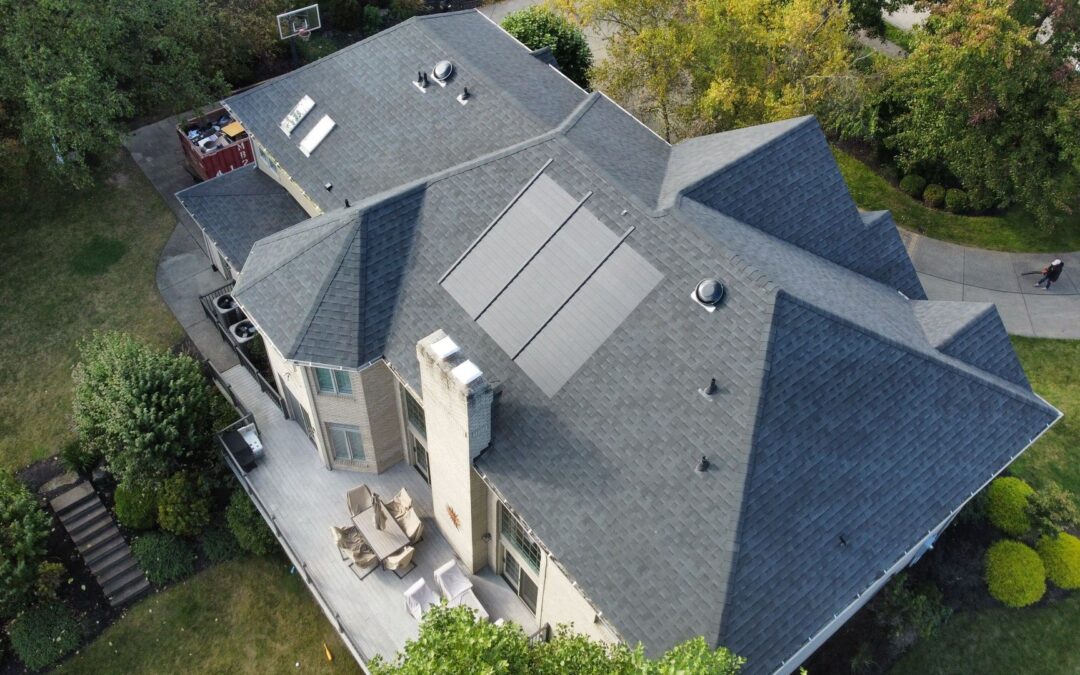
How Wind Uplift Damages Shingles
Wind uplift affects shingles by forcing air under shingle edges, loosening fasteners, and sometimes tearing shingles off during strong gusts. How wind uplift affect shingles depends on roof slope, shingle type and age, installation quality, and recent storm intensity in Greater Pittsburgh and Western Pennsylvania.
Key Takeaways
- Wind uplift can loosen, curl, or remove shingles: signs can be subtle at first.
- Age, installation quality, and roof geometry change how quickly damage appears.
- Quick inspection after storms can limit damage and clarify repair vs replacement decisions.
- Book a Free Drone Inspection for a safe, fast look at hard-to-see areas.
Quick answer: How wind uplift affect shingles
Wind uplift affect shingles by creating pressure differences above and below the roofing surface. When strong winds flow over a roof, low pressure forms above the shingles while higher pressure beneath them pushes upward. That upward force can break sealant, pull nails, and lift shingle edges so water can get under the roof covering.
What homeowners should look for
Inspect your roof (from the ground or with binoculars) after strong wind storms and look for:
- Missing shingles or exposed underlayment
- Lifted or curled shingle tabs along ridges and eaves
- Granule loss that looks like bare spots or gutters filled with grit
- Loose, rusted, or missing nails around the edges
- Shingle seams or flashing that looks pulled away
Checklist: Immediate signs to note
- [ ] Missing or visibly lifted shingles
- [ ] Granules in gutters or at downspout outlets
- [ ] Torn or loose flashing around chimneys and vents
- [ ] Interior stains on ceilings or attic wet spots
- [ ] Loose or exposed fasteners
Comparison: Minor vs Major Wind Uplift Damage
| Damage Level | Common Signs | Typical Action | Urgency |
|---|---|---|---|
| Minor | A few lifted tabs, some granule loss | Re-nail or spot-repair shingles, monitor | Low–Medium |
| Moderate | Several edges lifted, loose flashing, missing granules | Local patching, replace affected area | Medium |
| Major | Multiple missing shingles, open seams, attic leaks | Full roof section replacement likely | High |
What changes the answer in Western Pennsylvania
Greater Pittsburgh and Western Pennsylvania see varied weather: summer storms, wind storms from cold fronts, and occasional nor’easter influence. That variety affects how wind uplift affect shingles on each home. Other local factors include:
- Roof age: older asphalt shingles lose adhesive and granules, making uplift more likely.
- Roof pitch and orientation: low-slope roofs or edges facing prevailing winds see higher uplift risk.
- Installation quality: missing or incorrectly placed fasteners, inadequate starter strips, or improper underlayment increase vulnerability.
- Local housing stock: many homes in the region are older and may still have original roofing materials that don’t perform like modern products.
Because of these local variables, two neighboring houses can show very different damage after the same storm.
Options, tradeoffs, and common mistakes
Options:
- Spot repair: Re-nailing or replacing a handful of shingles can be cost-effective when damage is light.
- Section replacement: Replacing a portion of the roof is reasonable when several shingles or flashings are compromised.
- Full replacement: Consider this if shingles are old, multiple patches exist, or the roof underlayment is failing.
Tradeoffs:
- Cost vs longevity: Cheaper repairs may save money now but can leave weak points that fail in the next storm.
- Matching materials: Older shingles may be discontinued; a patch can be visible.
- Quick fixes: Taping or temporary sealants can hide the problem but not stop uplift if fasteners are failing.
Common homeowner mistakes:
- Ignoring small lifted tabs until it rains: minor issues often grow.
- Attempting roof work without proper safety training or equipment.
- Choosing the lowest bid without checking references or local experience in storm & wind damage Western PA.
When to call a roofing professional
Call a roofer when you see multiple lifted shingles, missing pieces, exposed underlayment, or any attic leaks. A pro can safely assess fasteners, flashing, and hidden damage that you might miss from the ground.
What to expect from a professional inspection:
- A close visual assessment (often with drone imagery to avoid unsafe rooftop access)
- Honest recommendations for repair or replacement
- A no-pressure estimate that outlines options and costs
Mid-article note: If you’re unsure what you’re seeing, Book a Free Drone Inspection, it’s a safe, fast way to confirm wind uplift symptoms and get clear next steps.
For a clearer next step, explore our residential roofing services and request a no-pressure estimate that explains the condition, options, and recommended scope.
What to Do Next
Wind uplift can range from a minor nuisance to a cause of major roof failure depending on roof age, installation, and storm strength. In Greater Pittsburgh and Western Pennsylvania, prompt, informed action, starting with a safe inspection, helps you choose the best, cost-effective path forward for your home.
Book a Free Drone Inspection
See your roof clearly without climbing on it. Book a Free Drone Inspection with Big Fish Roofing for an honest, no-pressure estimate and clear next steps tailored to your home in Greater Pittsburgh and Western Pennsylvania.
Frequently Asked Questions
What is wind uplift on a roof?
Wind uplift is the upward pressure created when fast-moving air passes over and around the roof. If air reaches a loose shingle edge, it can break the seal, crease the tab, or pull the shingle away from its fasteners.
What does wind-uplift damage look like?
Look for lifted or missing tabs, horizontal creases, exposed fasteners, displaced ridge caps, and debris below the roof. Some loosened seals lie flat again after the storm, so damage may not be obvious from the yard.
Can lifted shingles be repaired?
Sometimes. A roofer may be able to replace limited damaged shingles and reseal nearby areas. Widespread damage, brittle materials, or a compromised deck can make a larger repair necessary.
How can homeowners reduce wind damage risk?
Keep trees maintained, address loose shingles and flashing promptly, and have aging roof areas inspected before severe-weather seasons. Proper fastening and compatible system components also matter.
Talk With Big Fish Roofing
Big Fish Roofing serves Greater Pittsburgh and Western Pennsylvania with clear, customer-first guidance. Book a Free Drone Inspection or ask for a no-pressure estimate to discuss your property.