
Short Answer
Metal roofs can rust when protective coatings are damaged or when moisture, debris, or incompatible metals remain in contact with the panels. Modern coated steel and aluminum systems resist corrosion well when they are correctly detailed and maintained.
Key Takeaways
- Panel profile, fastening details, and flashing design all affect performance.
- Roof geometry and transitions can change installation complexity.
- Compare material options with a written scope that identifies accessories and waterproofing details.
- A professional assessment can confirm whether the existing roof structure and design suit the selected system.
Short Answer
Yes — metal roof rust can happen, but it depends on the metal type, coatings, and exposure. Coated steels and materials like aluminum resist rust better than bare steel, while damaged coatings, standing water, salt exposure, and scratches increase the risk of metal roof rust.
Key Takeaways
- Metal roofs can corrode, but some metals (aluminum, copper, stainless) don’t rust the same way steel does.
- Rust risk rises when protective coatings are damaged or when roofs face standing water, salt, or constant humidity.
- In Greater Pittsburgh and Western Pennsylvania, freeze-thaw cycles and road/river salt can make maintenance more important.
- Early inspection and maintenance reduce bigger repairs; Book a Free Drone Inspection for a safe, clear look.
Quick answer: can a metal roof rust?
Short version: yes — metal roof rust is possible. The actual risk depends on the roof material (galvanized steel, Galvalume, aluminum, copper, stainless), the quality and condition of coatings, and local conditions like humidity, salt, and debris buildup.
What homeowners should look for
Look for these signs during a visual check (or ask a pro to inspect):
- Flaking, orange-brown stains, or bubbling paint on panels
- Dark streaks where water runs and pools
- Surface pitting or small holes where flakes have fallen away
- Loose or missing fasteners and scratched or worn seams
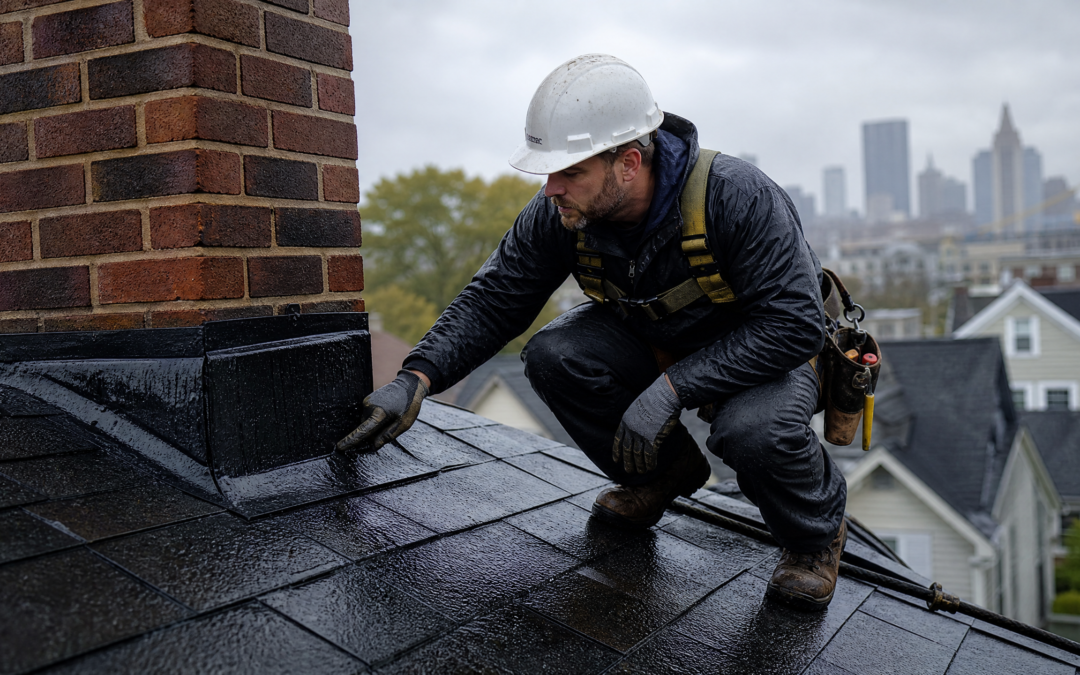
- Rust around vents, chimneys, or metal flashings
Checklist: Quick rust check for homeowners
- Inspect gutters and downspouts for rust-colored residue
- Check seams, fasteners, and roof penetrations for corrosion
- Look under eaves and in shaded areas where moisture lingers
- Note any areas with chipped paint or exposed bare metal
If you spot active rust or damaged coatings, consider repairs before the problem spreads.
What changes the answer in Western Pennsylvania
Western Pennsylvania and Greater Pittsburgh present a mix of conditions that affect metal roof rust risk:
- Weather: Freeze-thaw cycles and heavy rains can trap moisture under debris. Repeated wetting and drying stresses coatings.
- Salt exposure: Road salt and salt from nearby rivers can be carried in spray or runoff and speed corrosion on vulnerable metals and fasteners.
- Older housing stock: Older roofs may use older coatings or fasteners that are more prone to corrosion.
These factors don’t mean metal roofing is a bad choice here — they mean proactive inspection and appropriate material selection matter more in our area.
Options, tradeoffs, and common mistakes
Different metals and finishes behave differently. The table below summarizes common options and how they resist rust.
| Metal type | Rust/Corrosion risk | Notes for Western PA homeowners |
|---|---|---|
| Galvanized steel | Moderate | Zinc coating protects steel but can wear if scratched or at cut edges. Watch fasteners and areas with standing water. |
| Galvalume (aluminum-zinc) | Lower | Better corrosion resistance than plain galvanized steel, common on modern roofs. |
| Aluminum | Very low (doesn’t rust) | Aluminum oxidizes but doesn’t form rust; good for humid or salt-prone areas. |
| Copper | Doesn’t rust (patinas) | Long-lasting, develops a protective patina; higher cost. |
| Stainless steel | Very low | Excellent corrosion resistance but more expensive; used in harsh environments. |
Common homeowner mistakes
- Ignoring small chips or scratches in the coating
- Letting leaves and debris accumulate (traps moisture)
- Using mismatched metals that cause galvanic corrosion at contact points
- Skipping inspections after storms or winter
Tradeoffs: lower-cost panels often need more maintenance; premium metals or coatings cost more up front but reduce long-term rust risk.
When to call a roofing professional
Call a pro if you notice active rust, flaking metal, holes, or leaks, or if you’re unsure what you’re looking at. A licensed roofer can evaluate whether you need spot repairs, recoating, or panel replacement and provide honest recommendations and a no-pressure estimate.
What a pro will typically do:
- Inspect seams, flashings, and fasteners
- Assess coating condition and extent of corrosion
- Recommend repair vs. replacement options
- Document findings for maintenance records
Mid-article note: For a clear, safe view of hard-to-reach areas in Greater Pittsburgh and Western Pennsylvania, Book a Free Drone Inspection with Big Fish Roofing. We’ll provide detailed images and an honest, no-pressure estimate.
Options for repair and prevention
- Small surface rust: clean, prime, and apply a compatible touch-up paint or coating
- Corroded fasteners: replace with stainless or coated fasteners and seal exposed holes
- Damaged panels or widespread corrosion: consider panel replacement or upgrading to a more corrosion-resistant metal
- Preventive steps: keep gutters clear, trim overhanging branches, and schedule inspections every few years or after major storms
Final takeaway
Metal roof rust is possible, but with the right materials, regular checks, and timely small repairs, you can keep a metal roof performing well in Greater Pittsburgh and across Western Pennsylvania. Local weather and salt exposure make inspections especially useful here.
Ready for a clear, no‑pressure look at your roof? Book a Free Drone Inspection with Big Fish Roofing to get honest recommendations and a no-pressure estimate based on detailed images and local experience.
Frequently Asked Questions
What should I compare in a metal-roof proposal?
The answer depends on the condition of the roofing system, the details at vulnerable areas, and the property’s goals. A documented assessment is the most reliable way to turn a general question about can a metal roof rust into a practical next step.
Does roof design affect metal roofing options?
Start with a clear written scope that describes the observed condition, recommended work, materials or components involved, exclusions, and how any concealed conditions will be handled.
How do flashing details affect a metal roof?
Avoid relying on a single visible symptom or a price alone. Comparing condition notes and written scopes helps clarify which approach is appropriate for the property.
When is a professional metal-roof assessment helpful?
Contact a qualified roofing professional when there is active water entry, a safety concern, recent weather damage, or uncertainty about how the roof system is performing.
Talk With Big Fish Roofing
Big Fish Roofing serves Greater Pittsburgh and Western Pennsylvania with clear, customer-first guidance. Book a Free Drone Inspection or ask for a no-pressure estimate to discuss your property.