
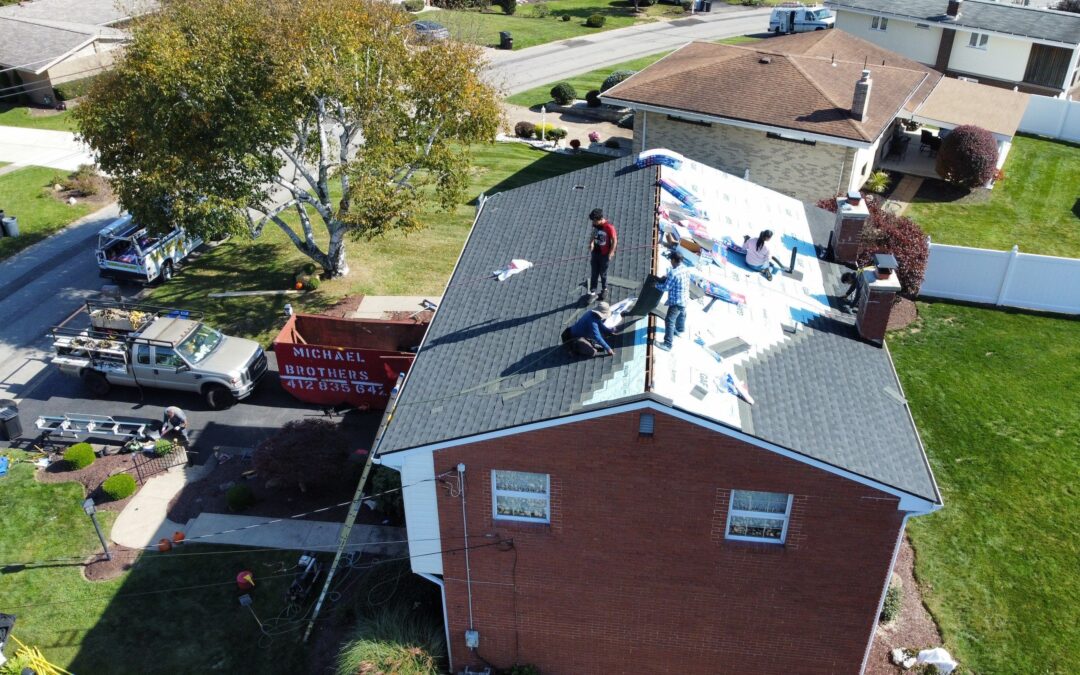
How One Storm Can Shorten Roof Life
Yes — one storm can shorten the life of your roof if it causes significant shingle, flashing, or structural damage. If you suspect storm damage, focus on safety first (stay off the roof) and document what you can from the ground. Contact a professional for a timely inspection to assess the damage and recommend honest, no-pressure next steps.
Key Takeaways
- A single severe storm can cause damage that reduces a roof’s expected lifespan.
- Don’t climb onto a wet or damaged roof: call a pro to inspect it safely.
- Look for missing shingles, dented vents, displaced flashing, and interior leaks.
- In Greater Pittsburgh and Western Pennsylvania, freeze-thaw and wind patterns can make storm damage worse.
- Call for urgent help when you see active leaks, sagging, or large sections of missing roofing.
Quick answer: one storm shorten life roof
A powerful wind or hail event can remove protective layers, loosen sealants, and expose decking to water, all of which can shorten the life of roofing materials. In many cases the roof can be repaired and its life restored with timely work; in others, storm damage accelerates wear and leads to earlier replacement.
What homeowners should look for
Immediate safety and damage-control steps
- Do not go on a wet or damaged roof. Falls are common after storms.
- If you see water leaking inside, move valuables out of the way and place buckets beneath active drips.
- Photograph visible exterior damage from the ground and inside areas where water entered.
- If wiring or structure looks compromised, shut off the circuit breaker to affected areas and call an electrician or emergency services.
Visible signs to check from the ground or attic
- Missing or torn shingles, especially in clusters.
- Granule loss in gutters or downspouts (a sign of shingle impact).
- Dented vents, gutters, metal flashing, or HVAC covers (hail or flying debris).
- Stains, wet spots, or new light coming through in the attic.
- Loose or lifted flashing around chimneys, skylights, and valleys.
Checklist: Quick exterior and attic check
- From ground: Inspect shingles, gutters, vents, and chimney flashing.
- From inside: Check attic for wet insulation, stains, or daylight.
- Document: Take photos with date timestamps.
- Secure: Remove wet items from inside and dry if safe to do so.
What a professional inspection checks
A roofing pro will safely assess the full scope of damage using ladders, close-up visual checks, and often a drone for a fast, safe roof survey. Key inspection items:
- Shingle integrity: lifted, cracked, or missing shingles and granule loss.
- Flashing and seals: gaps, punctures, or loosened nails around roof penetrations.
- Underlayment and decking: signs of water penetration that may require repair or replacement.
- Structural concerns: sagging or wet sheathing indicating possible structural compromise.
- Drainage and gutters: clogged or damaged systems that increase water exposure.
What changes the answer in Western Pennsylvania
Climate and housing stock in Greater Pittsburgh and Western Pennsylvania change how storms affect roofs. Our region’s combination of strong wind storms, frequent freeze-thaw cycles, and occasional hail means:
- Wind can lift shingles and let water in during subsequent rains.
- Freeze-thaw cycles can worsen small roof openings, turning a minor issue into one that shortens roof life.
- Older homes with original roofing or underlayment may be more vulnerable to accelerated wear after a storm.
Because of these local factors, prompt inspection and targeted repairs often prevent a single storm from becoming a long-term problem.
Options, tradeoffs, and common mistakes
Repair vs. replace: If damage is localized (a handful of missing shingles, small punctures) a repair can restore protection and extend life. If multiple areas, underlayment, or decking are compromised, replacement may be more cost-effective long term.
Common mistakes homeowners make
- Waiting too long to inspect after a storm. Small leaks become big problems fast in our climate.
- Attempting DIY roof work on wet or steep roofs (don’t climb up).
- Ignoring attic signs like mold or wet insulation: by then the damage is already advanced.
Comparison table: Damage severity and homeowner response
| Damage level | Typical signs | Recommended homeowner action |
|---|---|---|
| Minor | One or two missing shingles, isolated granule loss | Document, schedule a professional repair within days |
| Moderate | Multiple lifted shingles, dented metal, small attic staining | Call a pro for inspection; expect targeted repairs |
| Severe | Large sections missing, active interior leaks, sagging decking | Call for urgent help — avoid using affected areas until inspected |
When to call a roofing professional
For a clearer next step, explore our storm-related roofing services and request a no-pressure estimate that explains the condition, options, and recommended scope.
Call a roofing professional right away if you notice any of these:
- Active interior leaks or water pooling inside the home.
- Large sections of missing roofing or visible roof deck.
- Sagging in the roofline or ceiling.
- Widespread hail or wind damage on multiple surfaces.
Mid-article soft CTA
If storm damage looks more than cosmetic or you’re unsure, we can help. For a safe, professional assessment and honest recommendations, Call 724-954-3827 for urgent help, we’ll explain options and next steps with no-pressure estimates.
Frequently asked questions
1) Can this problem wait?
If damage is small and there’s no active leak, some minor repairs can wait a short time, but in Greater Pittsburgh’s changeable weather, delays increase risk. If you see attic staining, active leaks, or missing roof sections, don’t wait.
2) How is one storm shorten checked?
A pro inspects shingles, flashing, underlayment, and decking both visually and with tools (moisture meters, drone imagery). They’ll document damage, estimate repair needs, and identify whether replacement is warranted.
3) What can make the cost higher?
Hidden water damage to decking, structural repairs, complex roof lines, and replacement of ventilation or gutters can all raise costs. Emergency tarping and expedited materials also add expense.
4) Will insurance or a warranty apply?
Coverage depends on your policy and the nature of the storm. We can provide a professional inspection and documentation to share with your insurer, and we’ll give honest recommendations, but we don’t speak for insurance decisions.
5) What should I ask during an inspection?
Ask the inspector to explain what was checked, show photos of problem areas, outline repair vs. replacement options, and provide a clear, written estimate and timeline. Also ask about safety steps and temporary protections if work is delayed.
Final takeaway
One strong storm can shorten a roof’s lifespan if it creates openings, removes protective layers, or lets water reach the structure. The sooner you document damage and get a professional inspection, the better your chances of preventing long-term problems: especially in Western Pennsylvania’s variable weather.
Final CTA
If you suspect storm damage on your roof, Call 724-954-3827 for urgent help. We’ll provide a safe, professional inspection and honest, no-pressure recommendations to protect your home.
Frequently Asked Questions
Can one storm really shorten a roof’s life?
Yes. A severe storm can break shingle seals, remove granules, damage flashing, or introduce moisture. Even limited damage can accelerate aging if it is not found and repaired.
Which storm damage most affects roof lifespan?
Missing or creased shingles, fractured mats, loose flashing, punctures, and trapped moisture are especially important because they weaken weather protection and can spread beyond the original impact area.
Does storm damage always mean the roof needs replacement?
No. The appropriate scope depends on the damage pattern, roof age, material availability, deck condition, and whether a durable repair can restore the system.
How soon should the roof be inspected?
Request prompt inspection after severe wind, hail, fallen debris, or a new leak. Address active water entry immediately and avoid walking on a roof that may be wet or unstable.
Talk With Big Fish Roofing
Big Fish Roofing serves Greater Pittsburgh and Western Pennsylvania with clear, customer-first guidance. Book a Free Drone Inspection or ask for a no-pressure estimate to discuss your property.