
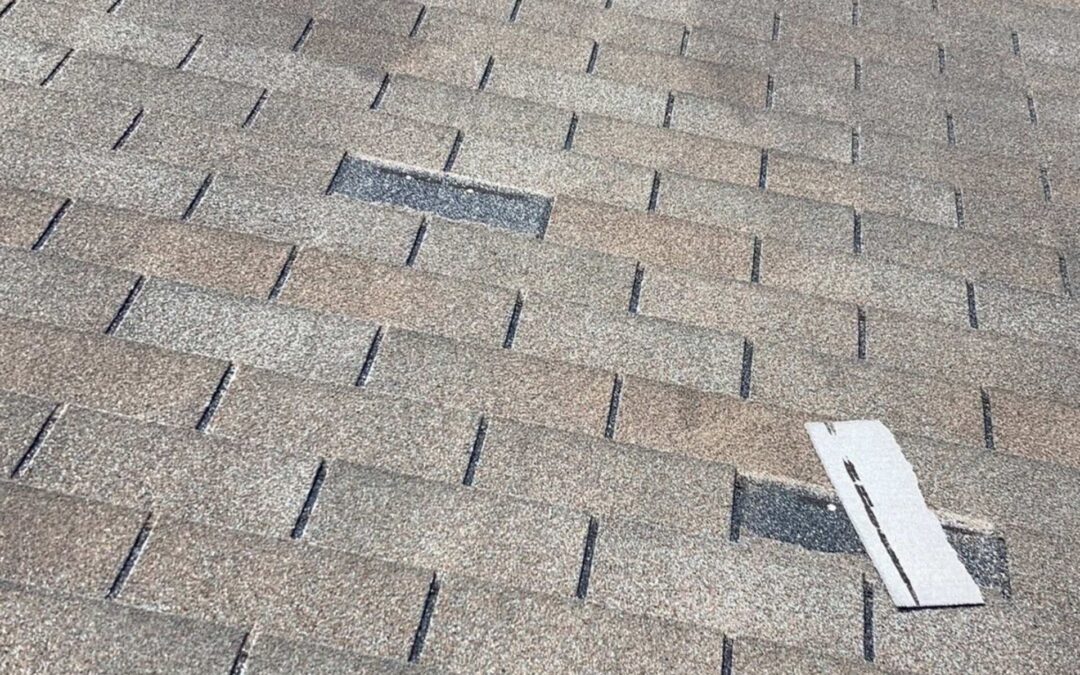
When Loose Shingles Become an Emergency
If you see loose shingles after a storm, it can be an emergency in some cases, especially if shingles are missing, creating exposed underlayment, or if water is entering the attic. For many other situations you can protect the area from further water damage and schedule a professional inspection. Never climb onto a wet or damaged roof; stay safe and get a trained roofer to assess the damage.
Key Takeaways
- Loose shingles after a storm may be urgent if they expose underlayment, create leaks, or risk falling debris.
- Take immediate safety steps at home, then arrange a professional inspection in Greater Pittsburgh or Western Pennsylvania.
- A roofer will document damage, secure loose material, and recommend repairs or a no-pressure estimate.
Quick answer: loose shingles emergency after storm
A loose shingles emergency after storm is possible but depends on the severity. If shingles are flapping, missing, exposing the roof deck, or you have active water intrusion, treat it as urgent. If the damage is minor and dry, you can often wait a short time for a professional inspection, but don’t delay if there are signs of leaks or fall hazards.
What homeowners should look for
Start with the inside of the house and ground-level observations: do not climb onto the roof.
- Inside checks: look for water stains on ceilings or in the attic, damp insulation, or visible daylight through roof vents. Active dripping or saturated insulation means act now.
- Ground-level roof checks: look for shingles in gutters or on the lawn, pieces of shingle granules, or visibly lifted/shifting shingles. Use binoculars for a safer look.
- Safety hazards: loose shingles that can blow off and hit people, blocked gutters, or debris close to power lines are urgent concerns.
What to avoid: never climb onto a wet, icy, or visibly damaged roof. Slips and further damage are common and dangerous.
What changes the answer in Western Pennsylvania
Greater Pittsburgh and Western Pennsylvania see a mix of storm types, strong winds, heavy rains, ice, and occasional severe weather, that affect how urgently loose shingles should be addressed.
- Older homes: many houses in the region have roofs 15–25+ years old. Age increases the chance of multiple failing shingles and hidden damage.
- Seasonal effects: spring and winter storms often bring wind-driven rain and ice, which can quickly turn a minor flap into a leak.
- Neighborhood considerations: tighter, older lots mean falling shingles can damage siding, landscaping, or nearby cars.
Because of these local factors, we recommend erring on the side of inspection after strong storms in Western PA, especially in Greater Pittsburgh where wind patterns and older roofing can amplify damage.
Options, tradeoffs, and common mistakes
- Temporary tarping vs. wait-and-see: tarping can prevent water intrusion but should be done by trained professionals. DIY tarps sometimes cause more problems if not installed correctly.
- Repair vs. full replacement: a few loose shingles may be repairable, but widespread adhesion failure or storm-related wind damage could make full replacement the smarter long-term choice.
- Common mistakes: delaying inspection, clipping loose shingles improperly, or using non-breathable materials when patching can cause mold and more damage.
Comparison checklist: Urgent vs. Non-urgent signs
| Sign observed | Risk level | Immediate action |
|---|---|---|
| Active water in attic or ceiling stains | High | Call a roofer now and protect belongings |
| Missing shingles or large gaps in coverage | High | Schedule urgent evaluation; secure temporary cover if needed |
| A few loose but dry shingles, no leak | Moderate | Book a professional inspection within a few days |
| Granule loss in gutters, but no lifting | Low–Moderate | Monitor and schedule routine check |
When to call a roofing professional
Call a roofing professional right away if you have:
- Active leaks, visible water in the attic, or ceiling stains spreading.
- Large sections of shingles missing or flapping in the wind.
- Shingle debris near walkways, cars, or power lines creating safety risks.
For situations without active leaks, arrange a professional inspection within 48–72 hours. A trained roofer will safely assess the roof, document damage for records, and give honest recommendations and a no-pressure estimate.
Mid-article note: If you suspect urgent damage after a storm in Greater Pittsburgh or anywhere in Western Pennsylvania, don’t climb on the roof. Call a professional — Call 724-954-3827 for urgent help and to schedule a safe inspection.
What a professional inspection checks
- Roof surface: extent of lifted, cracked, or missing shingles and overall adhesion.
- Underlayment and flashing: whether water reached the underlayment or flashings around chimneys and vents.
- Attic and interior: signs of water intrusion, insulation condition, and ventilation problems.
- Fasteners and chimney work: condition of nails, vents, valleys, and masonry interfaces.
Inspectors often use drone imagery and attic checks to avoid unnecessary roof walks while getting a clear picture of damage.
What to Do Next
Loose shingles after a storm can be an emergency — particularly if they expose the roof deck, cause leaks, or present fall hazards. Use safe, common-sense checks from the ground and inside the house, avoid climbing on the roof, and contact a professional promptly when signs point to urgent damage.
Final CTA
If you have loose shingles or storm damage in Greater Pittsburgh or Western Pennsylvania, call 724-954-3827 for urgent help. We provide safe inspections, honest recommendations, and no-pressure estimates.
Frequently Asked Questions
When are loose shingles an emergency?
Treat loose shingles as urgent when tabs are flapping, sections are missing, underlayment or decking is exposed, water is entering the home, or debris threatens people, vehicles, or power lines.
Can a few loose shingles be repaired?
Often, yes. A roofer may be able to replace limited damaged shingles and secure nearby materials. Widespread adhesion failure, brittle shingles, or hidden deck damage can require a larger repair.
Should I tarp loose shingles myself?
Do not climb onto a wet, steep, or storm-damaged roof. Improper tarping can cause falls or additional punctures. Use containers and interior protection for leaks, then ask a professional about temporary covering.
How quickly should the roof be inspected?
Call immediately for active leaks or exposed roof areas. If the shingles are loose but the home is dry and stable, schedule an inspection within 48–72 hours.
Talk With Big Fish Roofing
Big Fish Roofing serves Greater Pittsburgh and Western Pennsylvania with clear, customer-first guidance. Book a Free Drone Inspection or ask for a no-pressure estimate to discuss your property.