
Short Answer
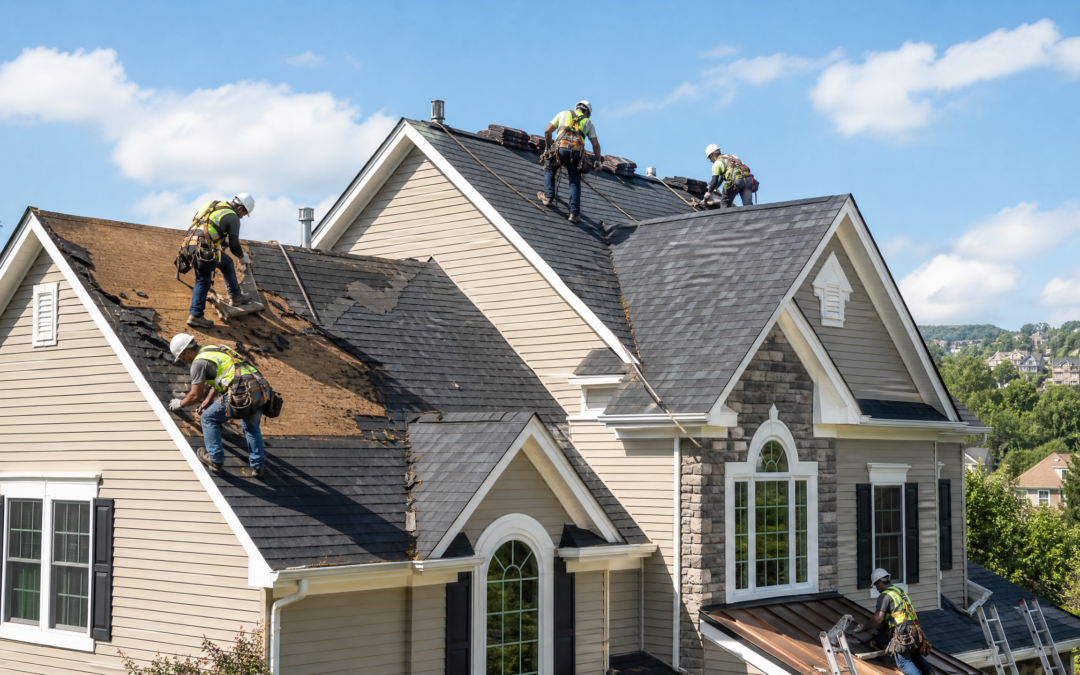
A roof replacement begins with a detailed inspection and a written scope, then moves to scheduling, site protection, tear-off (if required), deck repairs, installation of the new roofing system and flashings, cleanup, and a final walkthrough. Exact steps vary with roof type, hidden damage, and weather; the written scope should define materials, allowances, and responsibilities. For a roof-specific opinion or a no-pressure estimate, Big Fish Roofing can Book a Free Drone Inspection or provide a no-cost consultation.
Short answer: A typical roof replacement includes an initial inspection and written scope, scheduling and material coordination, site protection, removal of old roofing where required, deck inspection, installation of the roofing system and flashings, cleanup, and a final walkthrough. Exact steps vary with roof conditions, material, weather, and the contract.
What are the key takeaways?
Before-work checklist
- Confirm the written scope lists roof materials, underlayment, flashing details, ventilation changes, and finish accessories.
- Verify what’s included as decking allowance or repair and how concealed damage will be documented and priced.
- Ask how the crew will protect landscaping, hardscaping, outdoor furniture, vehicles, and pet access during work.
- Review cleanup and disposal plans, including daily debris removal and final broom-clean of gutters and yard.
- Agree on change-order notification: who approves, how costs are documented, and when work may pause for decisions.
- The written scope should define materials and responsibilities.
- Hidden deck damage can affect the final work required.
- Property protection and cleanup should be planned before tear-off.
- A final walkthrough should compare the completed work with the scope.
How should homeowners evaluate this decision?
Before work begins, review access, landscaping protection, pets and vehicles, decking allowances, ventilation, flashing, weather planning, cleanup, payment timing, and warranty documents.
Start with the condition of the whole roof rather than one product claim, symptom, or online estimate. A useful evaluation connects visible conditions with flashing, drainage, ventilation, decking where accessible, and the homeowner’s priorities. Recommendations should be explained in plain language and documented in a written scope.
What does Big Fish Roofing’s process add?
Big Fish Roofing’s documented roofing process begins with an inspection and written estimate. If work is approved, the team coordinates scheduling, installation or repair and cleanup, and a final walkthrough. This process is relevant because it gives homeowners defined points to review the condition, proposed scope, project execution, and completed work.
What should you ask before moving forward?
- What roof conditions support this recommendation?
- What materials, accessories, preparation, and cleanup are included?
- Which items are excluded or treated as allowances?
- How will concealed damage or a change in scope be documented?
- What manufacturer instructions and written warranty terms apply?
If you would like a roof-specific opinion, Big Fish Roofing can walk you through residential roofing options and explain the tradeoffs without pressure. Homeowners dealing with an active problem can also review roof repair services.
Learn more about our residential and commercial roofing services, including roof repair and full replacement options tailored to Greater Pittsburgh homes and businesses.
Learn more about our residential and commercial roofing services, including roof repair and full replacement options tailored to Greater Pittsburgh homes and businesses.
Frequently asked questions
What should I consider first?
A typical roof replacement includes an initial inspection and written scope, scheduling and material coordination, site protection, removal of old roofing where required, deck inspection, installation of the roofing system and flashings, cleanup, and a final walkthrough. Exact steps vary with roof conditions, material, weather, and the contract.
Learn more about our residential and commercial roofing services, including roof repair and full replacement options tailored to Greater Pittsburgh homes and businesses.
Learn more about our residential and commercial roofing services, including roof repair and full replacement options tailored to Greater Pittsburgh homes and businesses.
Which factors should be compared?
Before work begins, review access, landscaping protection, pets and vehicles, decking allowances, ventilation, flashing, weather planning, cleanup, payment timing, and warranty documents.
When should I request a professional roof evaluation?
Ask the project contact to explain any change order before additional work proceeds, especially when concealed decking or flashing damage is uncovered.
How should I compare roofing proposals?
Compare written scopes line by line, including materials, preparation, flashing, ventilation, property protection, cleanup, exclusions, change-order terms, schedule, payment terms, and any written warranty.
What is Big Fish Roofing’s next step?
Big Fish Roofing starts with an inspection and written estimate. If work is approved, the team coordinates scheduling, the repair or installation and cleanup, and a final walkthrough so the completed scope can be reviewed.
What is the next step?
Use a condition-based inspection and a clear written scope to make the decision. For honest recommendations and a no-pressure estimate, contact Big Fish Roofing.