
Short Answer
You can perform a useful DIY roof inspection from the ground and inside your attic without walking on the roof. Look for missing or curled shingles, damaged flashing, granules in gutters, daylight or stains in the attic, and clogged drainage; photograph what you find so you can monitor changes. If you see obvious damage, storm-related problems, or anything unsafe, Big Fish Roofing can provide a professional assessment.
Short answer: Homeowners can perform a useful roof check from the ground and inside the attic without walking on the roof. Look for missing or displaced materials, damaged flashing, clogged drainage, daylight or moisture in the attic, and new ceiling stains; use a professional assessment when conditions are unsafe or findings are unclear.
Key Takeaways
Quick Decision Guide
| Inspection method | What to check | When to call a pro |
|---|---|---|
| Ground & exterior (use binoculars) | Missing or shifted shingles, curling, large patches of granule loss, visible flashing gaps, sagging gutters | If you see missing roofing material, exposed underlayment, separated flashing, or damaged gutters |
| Attic interior | Daylight through the roof, wet or compressed insulation, water stains on rafters or decking, musty odors | If you find active leaks, daylight penetration, mold-like growth, or wet insulation |
| After severe weather | Broken or missing shingles, debris on roof, dented metal flashings, heavy granule buildup in gutters | Any storm-related damage or widespread material loss—document with photos and contact a professional for a safe evaluation |
- Inspect from the ground or a safe window whenever possible.
- Check the attic for moisture, staining, odors, or daylight.
- Photograph changes so they can be monitored and explained.
- Never climb onto a wet, icy, steep, or storm-damaged roof.
The Importance of Regular Roof Inspections
Your roof is your home’s first line of defense against the elements, and regular inspections are crucial for catching problems early. While we always recommend professional inspections for comprehensive assessments, there are several things you can safely check yourself from the ground and inside your home.
Safety First: What You Can and Cannot Do
Before we dive into what to look for, let’s establish some safety boundaries. As professional roofers, we cannot stress enough how dangerous it is to walk on your roof without proper equipment and training.
Safe DIY inspection methods:
- Ground-level visual inspection with binoculars
- Checking your attic interior
- Examining gutters and downspouts
- Looking at soffits and fascia from the ground
Leave these to professionals:
- Walking on the roof surface
- Climbing ladders to check roof edges
- Any inspection requiring you to get on the roof
Exterior Signs to Check From the Ground
Using binoculars, scan your roof systematically and look for these warning signs:
Shingle Issues
- Missing shingles: Gaps in your roof coverage expose the underlayment
- Curling or buckling: Shingles that are lifting at the edges or warping
- Cracked shingles: Visible splits or breaks in individual shingles
- Granule loss: Bare spots or bald patches where granules have worn away
- Moss or algae growth: Green or dark staining that can indicate moisture retention
Flashing Problems
Flashing seals the joints where your roof meets chimneys, vents, and other penetrations. Look for:
- Rust or corrosion on metal flashing
- Gaps or separations around chimneys
- Loose or missing caulking
- Damaged rubber boots around pipe penetrations
Gutters and Drainage
Your gutters provide important clues about roof health:
- Granules in gutters: Excessive granule accumulation indicates shingle wear
- Rust stains: Orange or brown staining on gutters or downspouts
- Sagging gutters: Gutters pulling away from the house
- Ice dams in winter: Large icicles or ice buildup at roof edges
Interior Warning Signs
Many roof problems show up inside your home before they’re visible from outside. Check these areas regularly:
Attic Inspection
If you have attic access, look for:
- Water stains: Dark spots or streaks on rafters or decking
- Daylight showing through: Any visible light coming through the roof
- Insulation problems: Wet or compressed insulation
- Mold or mildew: Musty odors or visible growth
- Pest entry points: Signs of animals or insects entering
Interior Ceiling and Walls
- Water stains or discoloration
- Peeling paint near the roofline
- Bubbling or sagging ceiling areas
- New or growing cracks
Seasonal Inspection Schedule
Different seasons present unique challenges for your roof:
Spring
- Check for winter storm damage
- Look for loose or missing shingles
- Inspect gutters for winter debris
Summer
- Look for heat-related damage
- Check for UV wear on shingles
- Examine attic ventilation
Fall
- Clear gutters of leaves and debris
- Check flashing before winter
- Inspect for summer storm damage
Winter
- Monitor for ice dams
- Check attic insulation and ventilation
- Look for icicle formation patterns
When to Call the Professionals
While DIY inspections are valuable for early detection, certain situations require professional expertise:
- Any visible damage or concerning signs
- After severe weather events
- Before and after major seasons
- When selling or buying a home
- If your roof is over 15 years old
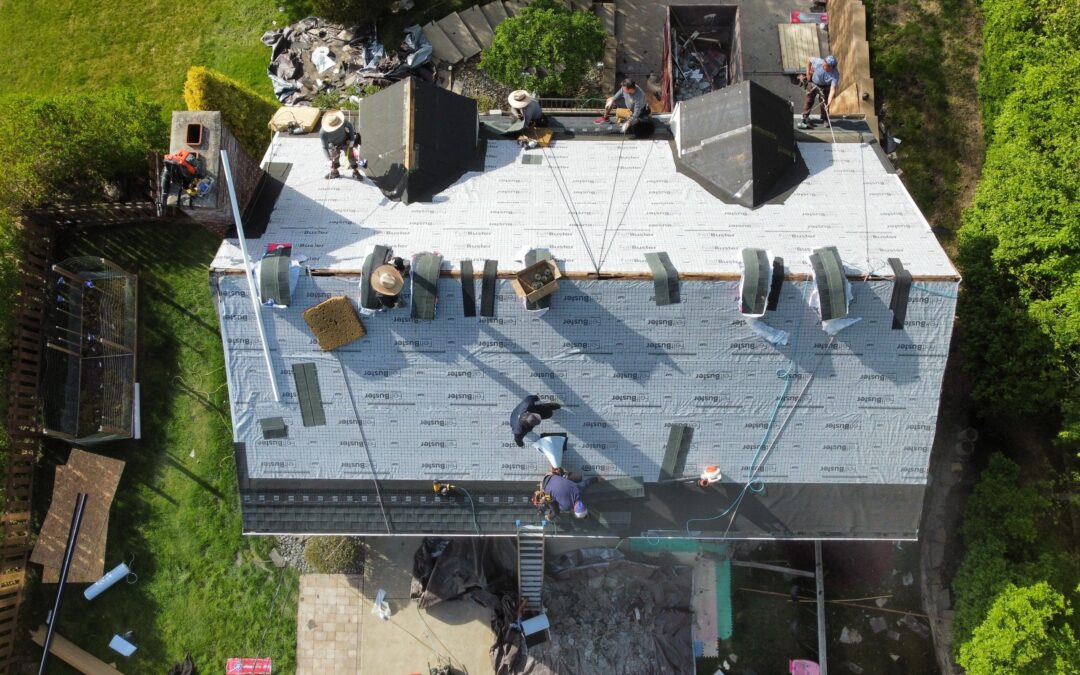
At Big Fish Roofing, we offer comprehensive professional inspections using advanced drone technology, allowing us to safely assess every area of your roof without putting anyone at risk.
If your DIY check turns up issues, explore our residential roofing, storm repair, gutter, and siding services to learn about professional options and next steps.
Keep Detailed Records
Document your DIY inspections with photos and notes. This creates a valuable history that helps professionals understand developing problems and can be useful for insurance claims if needed.
Schedule Your Professional Inspection
While DIY inspections are an excellent way to stay on top of your roof’s condition, they’re no substitute for professional expertise. Our certified inspectors have the training and equipment to identify problems you might miss and can provide detailed reports on your roof’s condition.
Don’t wait for problems to become emergencies. Contact Big Fish Roofing today to schedule your comprehensive roof inspection and ensure your home stays protected.
Related Reading
- Roof Maintenance Guide: How to Extend Your Roofs Lifespan
- How Often Should You Have Your Roof Inspected?
- How to Maintain Your Roof: Seasonal Checklist
- Top Rated Shingles for 2025
The National Roofing Contractors Association (NRCA) recommends regular professional inspections as part of a comprehensive roof maintenance program.
Why Big Fish Roofing
Big Fish Roofing is a locally owned and operated roofing company serving homeowners throughout Western Pennsylvania, including Pittsburgh and nearby communities. We combine hands-on workmanship, clear communication, and dependable project delivery for roof replacements, repairs, siding, and gutter work.
Ready to protect your home? Request a no-pressure estimate.
Related Roofing Articles
- What Happens During a Full Roof Replacement?
- Can I Replace Only One Section of My Roof?
- How Old Is Too Old for an Asphalt Shingle Roof?
How Big Fish Roofing Approaches This Decision
Big Fish Roofing’s documented roofing process begins with an inspection and written estimate. If work is approved, the team coordinates scheduling, installation and cleanup, and a final walkthrough so the homeowner can review the completed scope.
Frequently Asked Questions
How often should I visually check my roof?
Check after significant storms and periodically as part of exterior maintenance. The appropriate frequency depends on roof age, trees, exposure, and previous issues.
What can I see from the ground?
Look for missing or shifted materials, visible flashing damage, debris, sagging areas, and drainage problems using binoculars or a camera zoom if helpful.
What should I look for in the attic?
Check for damp insulation, stains, mold-like growth, musty odors, rusted fasteners, or daylight. Avoid disturbing suspected hazardous materials.
Should I walk on my roof to inspect it?
Walking on a roof creates fall risk and can damage some materials. Use a qualified professional when close access is needed.
What does Big Fish document during an assessment?
Big Fish Roofing evaluates relevant roof conditions and provides a written estimate for recommended work, giving homeowners a clear next step without pressure.
Get a Clear Recommendation for Your Roof
If you want help applying this information to your home, request a no-pressure estimate from Big Fish Roofing. The team will walk you through the relevant conditions, options, and written scope.