
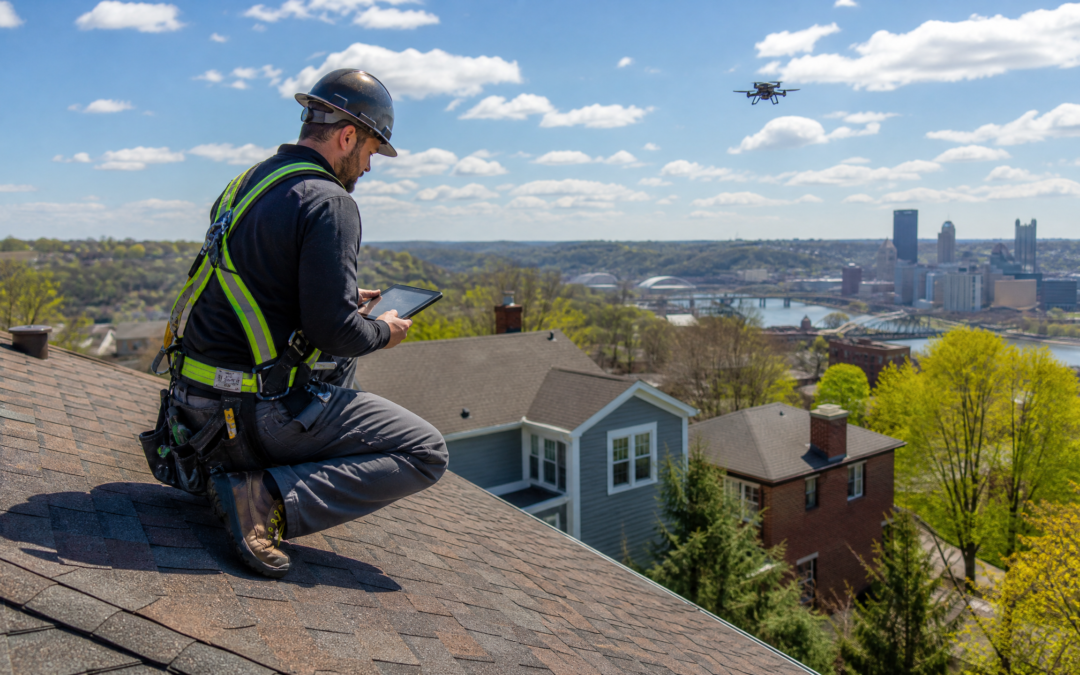
How Roofers Document Storm Damage
When storm damage appears, roofers document storm damage by taking photos and measurements, creating a dated inspection report, and noting safety risks and immediate repairs. This documentation helps homeowners make informed decisions and provides evidence for insurance discussions, but don’t climb onto a wet or damaged roof; stay safe and call a pro.
Key Takeaways
- Roofers document storm damage with photos, measurements, and a written report that notes severity and urgency.
- Immediate safety steps matter: avoid the roof, move vehicles away from hazards, and cover interior leaks temporarily.
- In Greater Pittsburgh and Western Pennsylvania, wind, hail, and falling limbs are common causes to check for.
- Professional documentation is more thorough than a quick phone photo and can include drone imagery and condition ratings.
Quick answer: How roofers document storm damage
When a homeowner asks how roofers document storm damage, contractors in Greater Pittsburgh and across Western Pennsylvania typically follow a standard process: a safe visual inspection from the ground and eaves, high-resolution photos (often with drone shots), measurements of affected areas, a written timeline, and notes about structural concerns and temporary protection needs. That record becomes the basis for repair recommendations and a no-pressure estimate.
What homeowners should look for
Immediate safety and damage-control steps
- Stay off the roof and away from fallen power lines. Do not climb onto a wet, icy, or unstable roof.
- Move cars and outdoor valuables away from areas where debris may fall.
- Catch interior drips with buckets and protect furniture with tarps or plastic.
- If ceilings bulge or you smell gas, evacuate and call emergency services.
Visible signs to note (from ground level)
- Missing or curled shingles, granule loss in gutters, or split shingles.
- Dents on metal flashing, gutters, or AC units (can indicate hail).
- Fallen limbs, holes, or sagging rooflines.
- New interior stains or active leaks.
What a professional inspection checks
A roofer documents storm damage by recording:
- Exterior photos from multiple angles and distances (including neighborhood context).
- Close-up shots of shingles, flashing, vents, chimneys, and gutters.
- Measurements of damaged areas and an estimate of the number of affected shingles or squares.
- Notes on secondary problems (roof deck exposure, attic leaks, mold risk).
- Safety hazards and recommended temporary protections (tarps, boarding).
- Optional drone footage for steep or hard-to-reach roofs.
What changes the answer in Western Pennsylvania
Local factors that affect documentation in Greater Pittsburgh and Western PA:
- Weather patterns: Strong winds, freeze-thaw cycles, and occasional hail mean inspectors watch for lifted shingles, edge blow-offs, and granule loss.
- Older housing stock: Many homes here have steeper roofs, dormers, or older materials that need closer evaluation.
- Tree cover: Neighborhoods with mature trees increase the chance of impact damage from limbs.
Roofers document storm damage Pittsburgh homeowners should expect more detailed notes on wind direction, neighboring roof impacts, and recommended short-term protections when trees or roofing age add risk.
Options, tradeoffs, and common mistakes
Comparison: DIY photos vs. professional documentation
| Item | DIY (homeowner) | Professional roofer |
|---|---|---|
| Safety | Risky if climbing | Inspector stays off unsafe areas; uses tools/drones |
| Photo quality | Phone photos — useful but limited | High-res photos, annotated reports, drone views |
| Scope | May miss structural/attic issues | Includes measurements and interior checks |
| Insurance usefulness | Helpful but sometimes incomplete | Organized reports many insurers expect |
Common mistakes
- Climbing onto a wet or damaged roof to get a closer photo.
- Waiting too long to document: water damage can worsen quickly.
- Only photographing from one angle or not including context shots (e.g., nearby trees, downspouts).
When to call a roofing professional
Call a roofer right away if you have active leaks, visible structural sagging, large missing sections of roof, or fallen trees on your house. For non-urgent but still serious concerns, like suspected hail dents or granule loss, schedule a professional inspection within a few days. If you search “roofers document storm damage near me” or “roofers document storm damage Pittsburgh,” choose a local contractor that offers written reports, interior and exterior checks, and honest recommendations rather than pushy sales.
For a clearer next step, explore our storm-related roofing services and request a no-pressure estimate that explains the condition, options, and recommended scope.
Mid-article note
If you need urgent assessment after a storm in Greater Pittsburgh or anywhere in Western Pennsylvania, call us for prompt guidance and a no-pressure estimate: Call 724-954-3827 for urgent help. We can advise whether temporary protection is needed and schedule a safe inspection.
Checklist: What to have ready before the roofer arrives
- Recent photos you took from the ground and interior leak shots.
- Date and time the storm hit and a short timeline of when you noticed damage.
- Any prior roof work or warranties you have on file.
- Areas of immediate concern (active leaks, sagging ceilings, vehicles at risk).
Frequently asked questions
Can this problem wait?
If you have active leaks, sagging, or structural impact from a fallen limb, don’t wait: call a roofer. For minor missing granules or small shingle edges lifted by wind, you can often schedule an inspection within a few days, but documenting the damage promptly is important.
How is roofers document storm checked?
Roofers check documentation through a combination of exterior photos, attic or interior inspections, measurements, and sometimes drone footage. Good reports include date-stamped images, descriptions of the problem, and recommendations for temporary protection and repair.
What can make the cost higher?
Costs rise if there’s structural deck damage, multiple layers of old shingles to remove, extensive flashing or chimney repairs, or water damage inside the home. Accessibility (steep roofs or tight sites) and the need for emergency tarping or tree removal can also increase cost.
Will insurance or a warranty apply?
Documentation helps you present a clear picture to your insurer, but every policy differs. Roof documentation doesn’t guarantee coverage or approval; it gives you the organized evidence your adjuster will review. For warranties, check the terms — some materials have manufacturer warranties and some workmanship warranties are limited.
What should I ask during an inspection?
Ask the roofer to explain what they’re documenting, whether they’ll inspect the attic, if they use drones, and what temporary protections they recommend. Request a written report with photos, a clear scope of repair, and a no-pressure estimate so you can compare options.
Final takeaway
Roofers document storm damage to give homeowners a clear, dated record of damage, safety risks, and repair needs. In places like Greater Pittsburgh and Western Pennsylvania, timely, professional documentation can be especially helpful because wind, hail, and mature trees increase the chance of both visible and hidden damage.
Final CTA
If a recent storm hit your home or you’ve noticed new leaks, call us for urgent help and honest recommendations. Call 724-954-3827 for urgent help, we’ll prioritize safety, provide clear documentation, and offer a no-pressure estimate.
Frequently Asked Questions
What should a storm-damage inspection report include?
A useful report identifies the property and inspection date, records affected roof slopes and components, includes clear photos, describes observed conditions, and separates urgent temporary work from recommended repairs.
How do roofers photograph storm damage?
They use overview images to show location and close-ups to show detail, often adding measurements or reference points. Safe drone images may supplement roof-level and attic observations.
Will the roofer decide whether insurance covers the damage?
No. A roofer documents conditions and provides a repair scope; the insurer determines coverage under the policy. Homeowners should keep the contractor’s report, estimates, receipts, and their own storm photos.
Can damage be documented without walking on the roof?
Often, yes. Ground-level photos, drones, binoculars, and attic observations can provide useful evidence when a roof walk would be unsafe. The inspection method should fit site conditions.
>